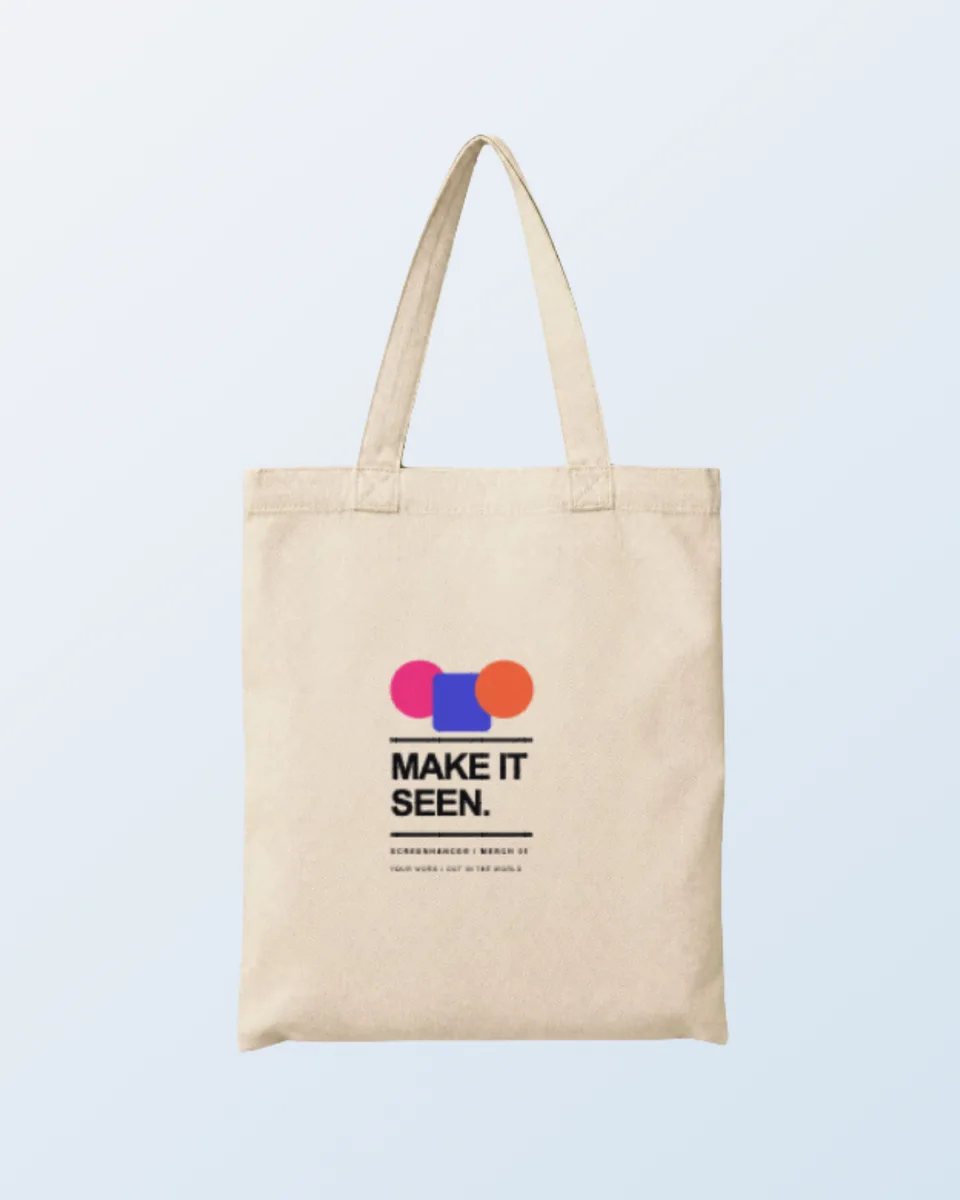
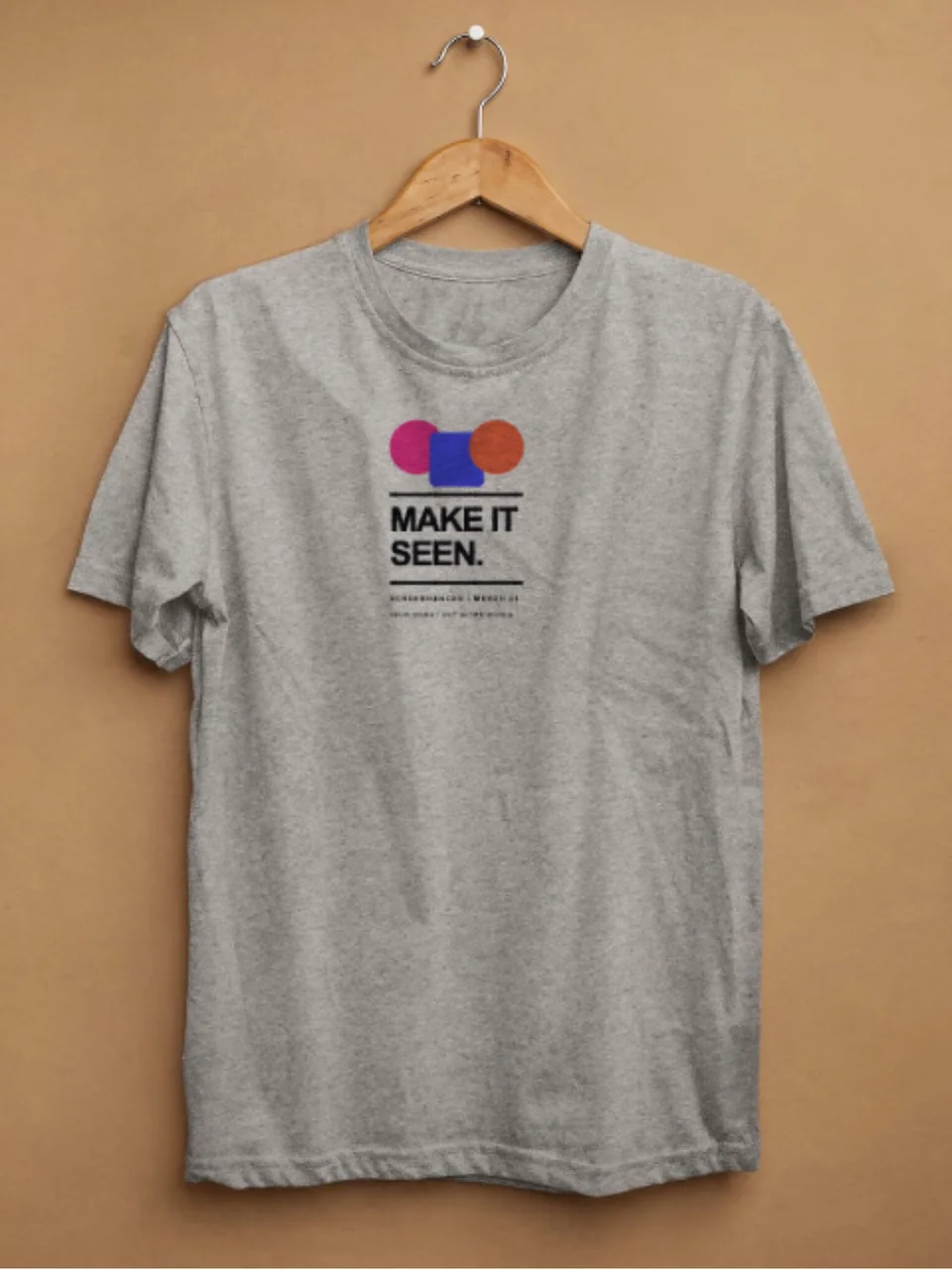
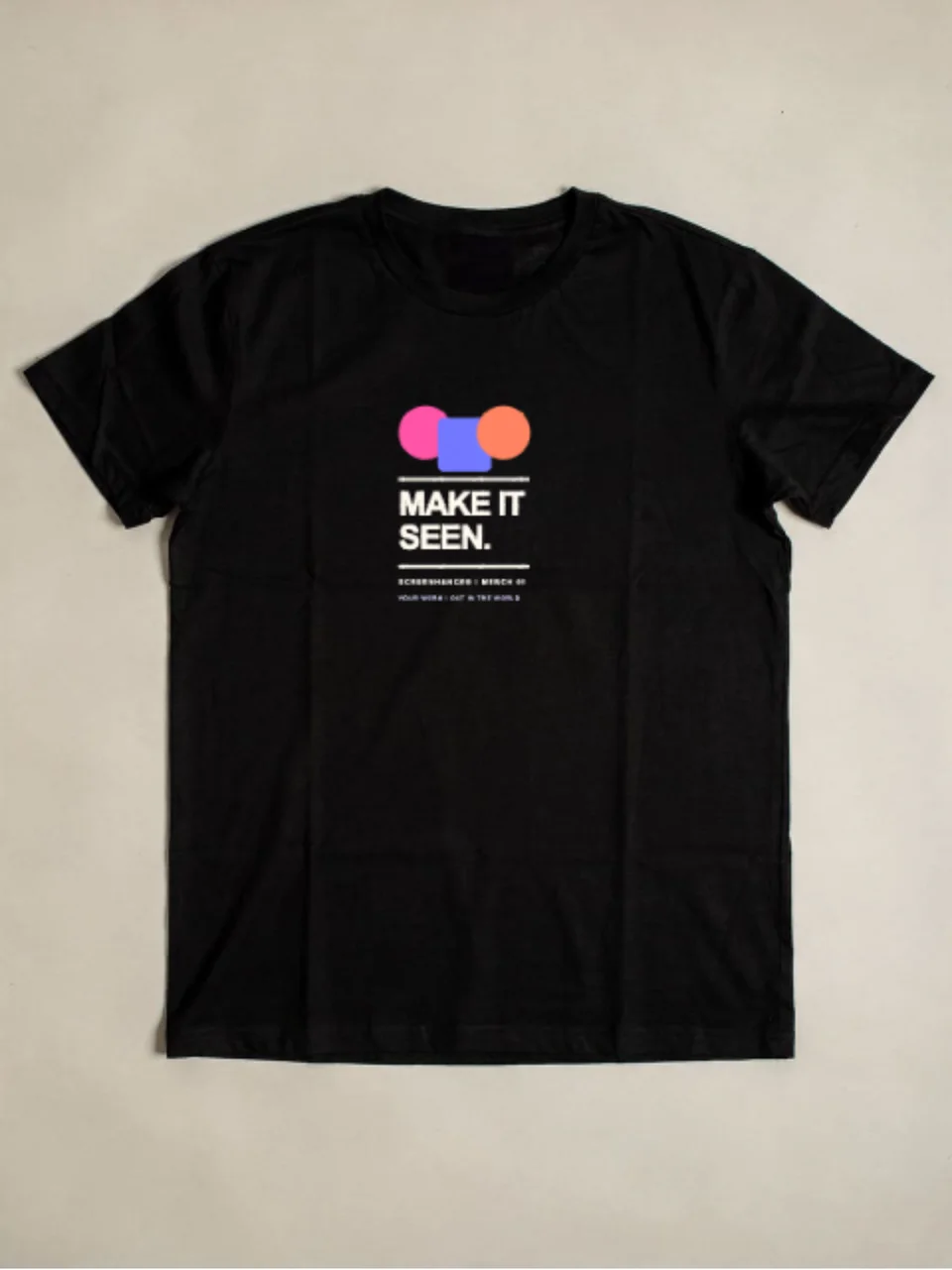
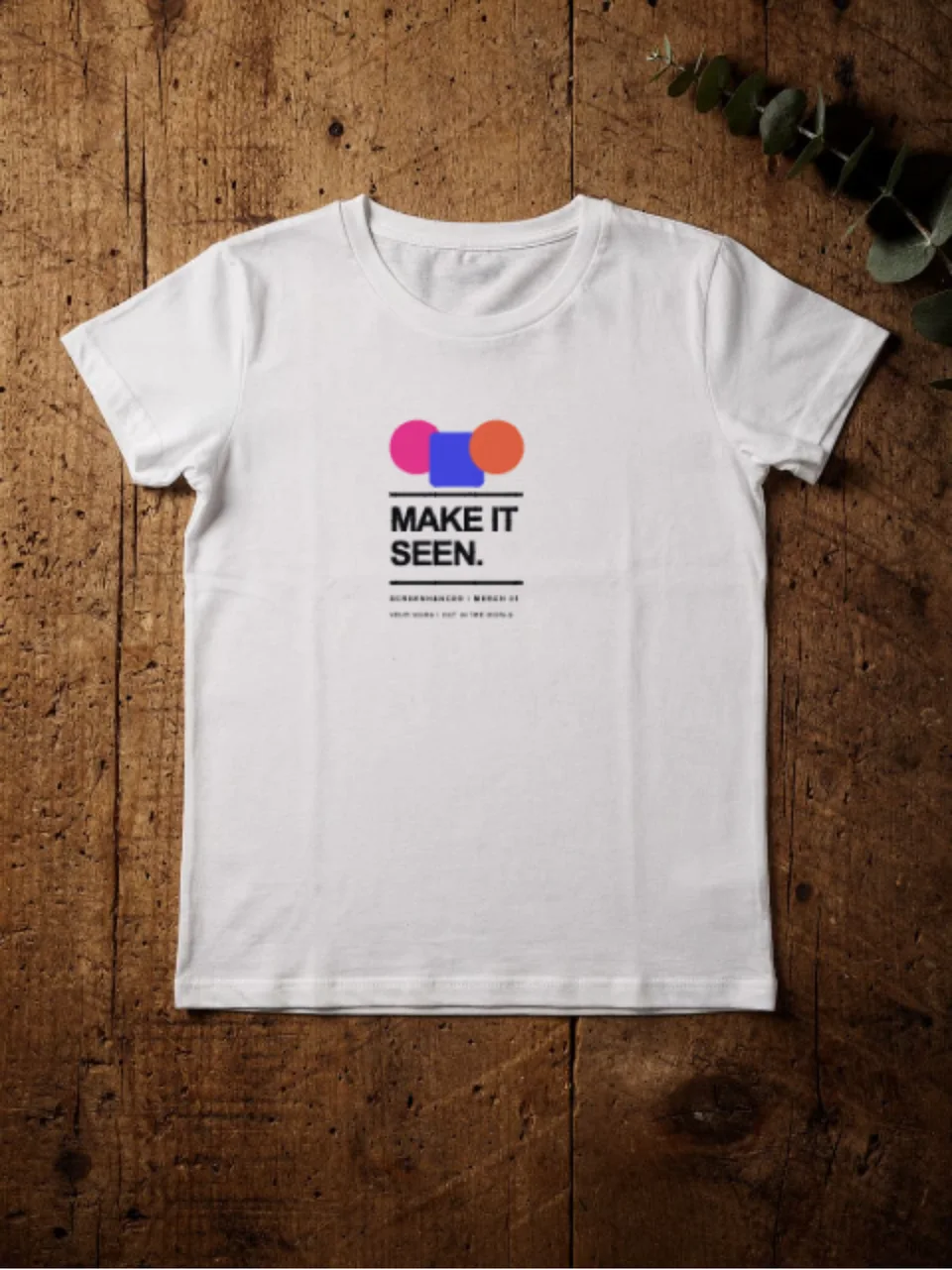
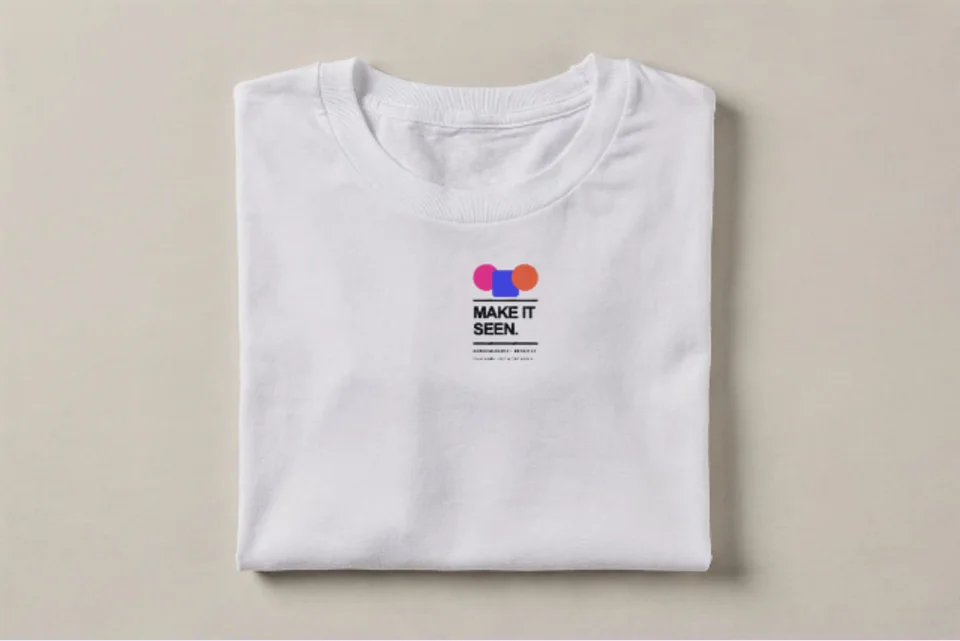
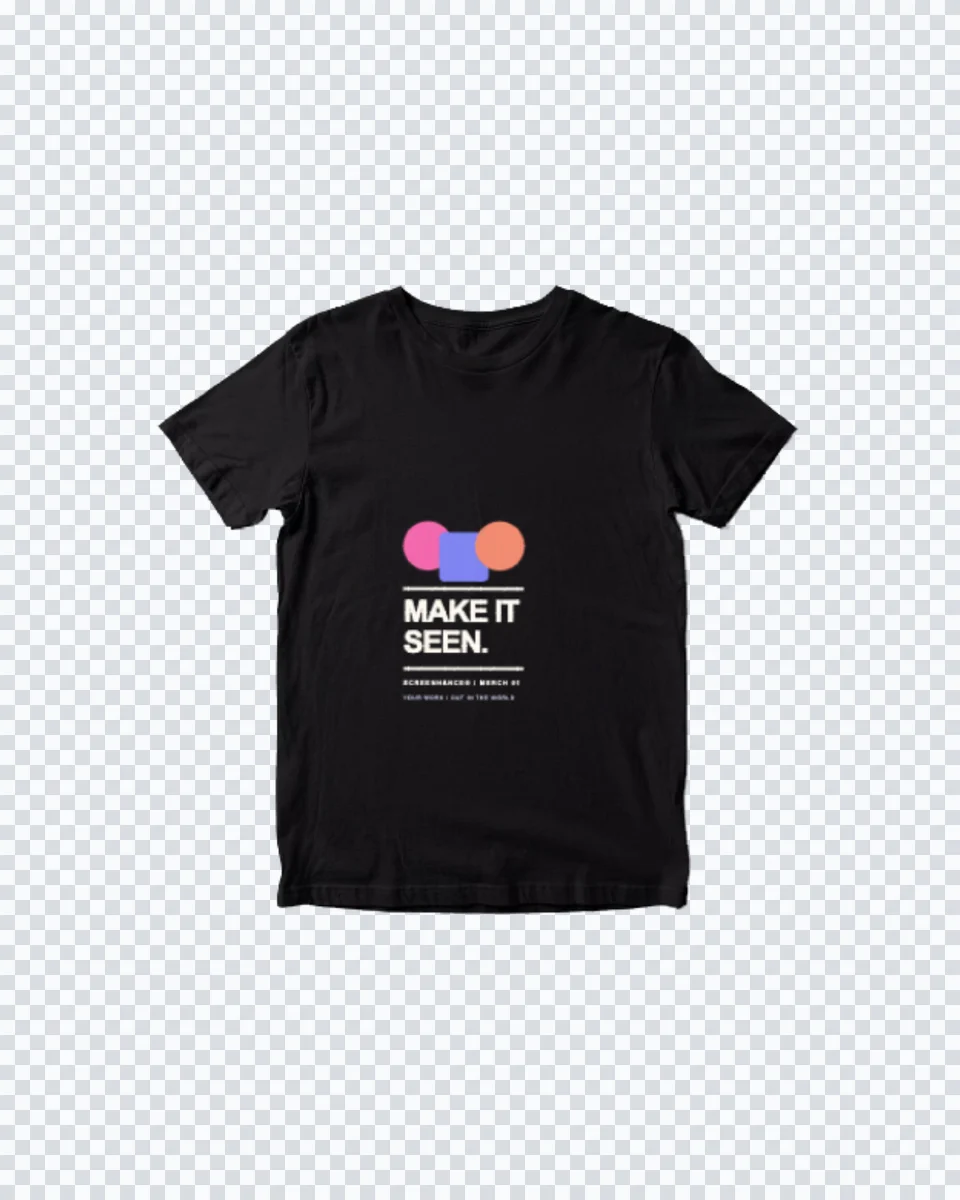
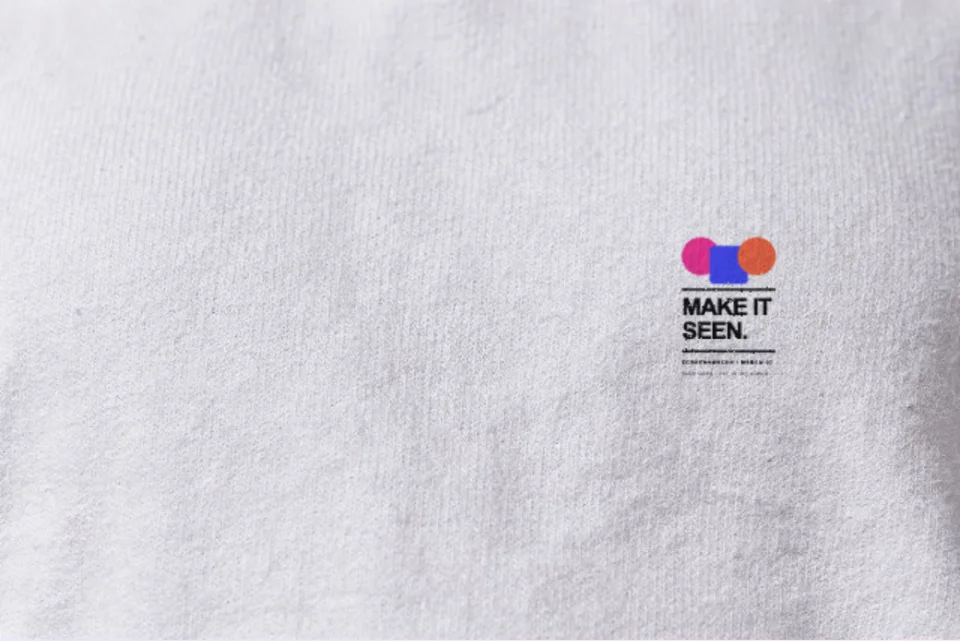
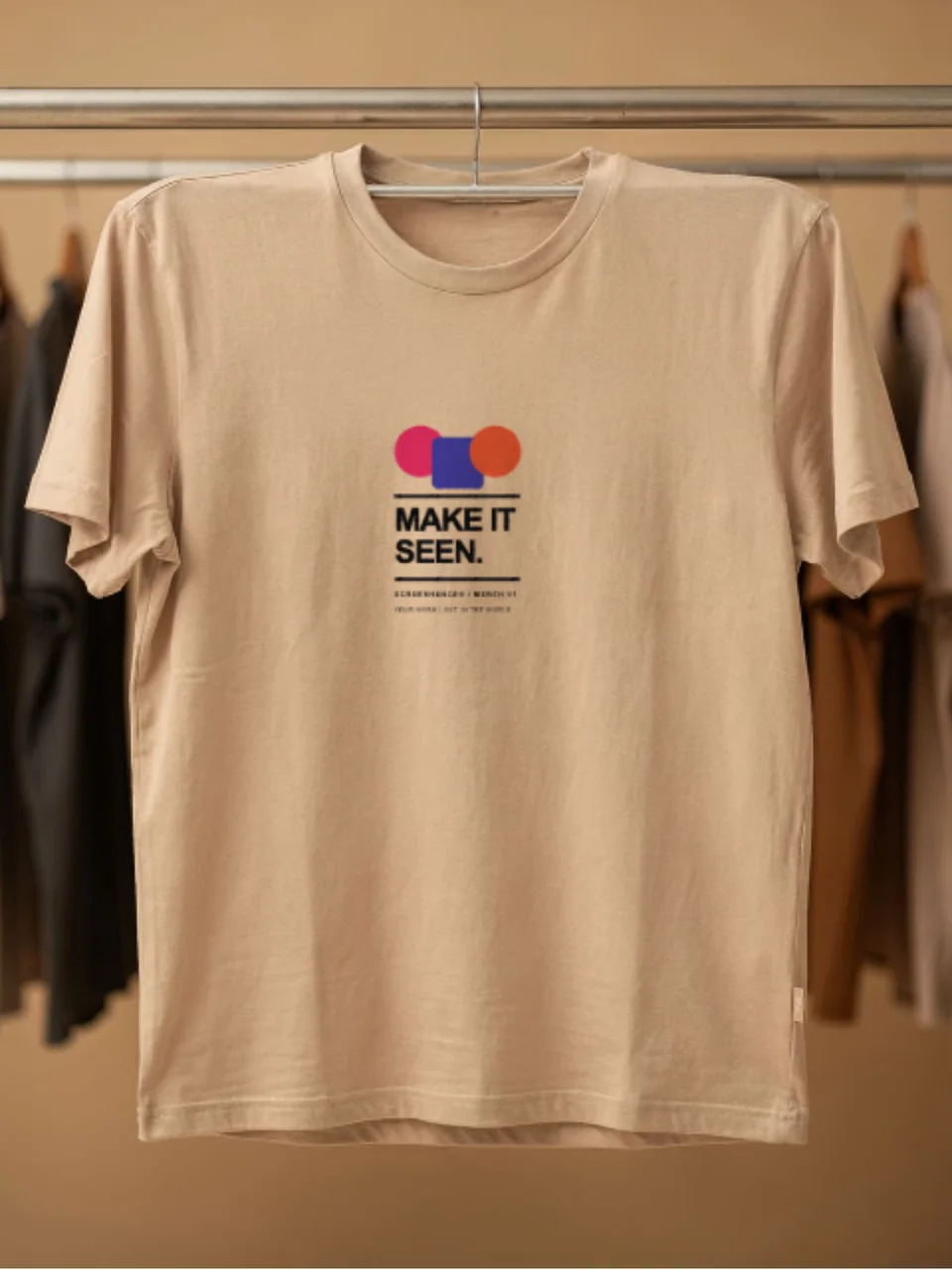
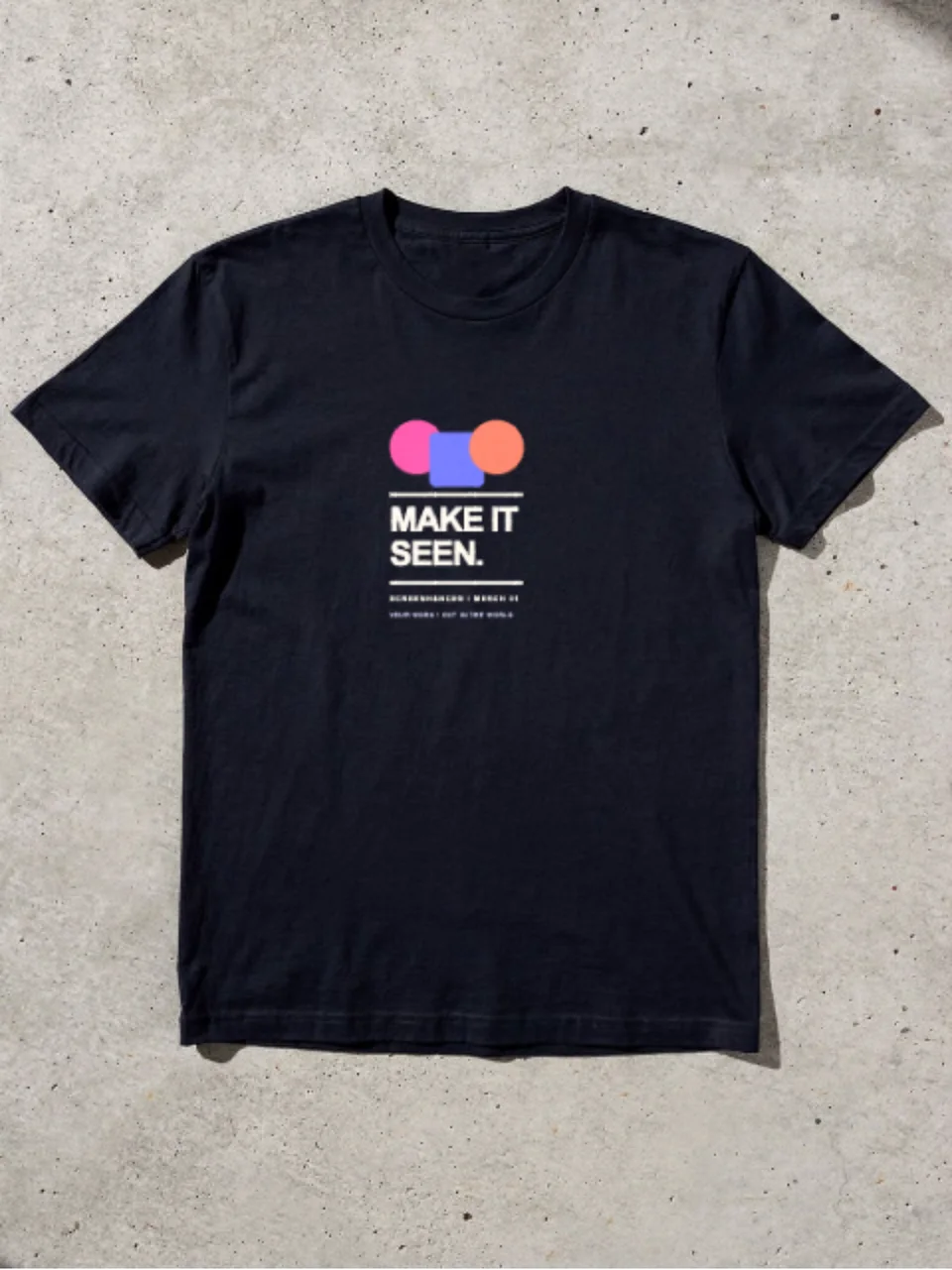
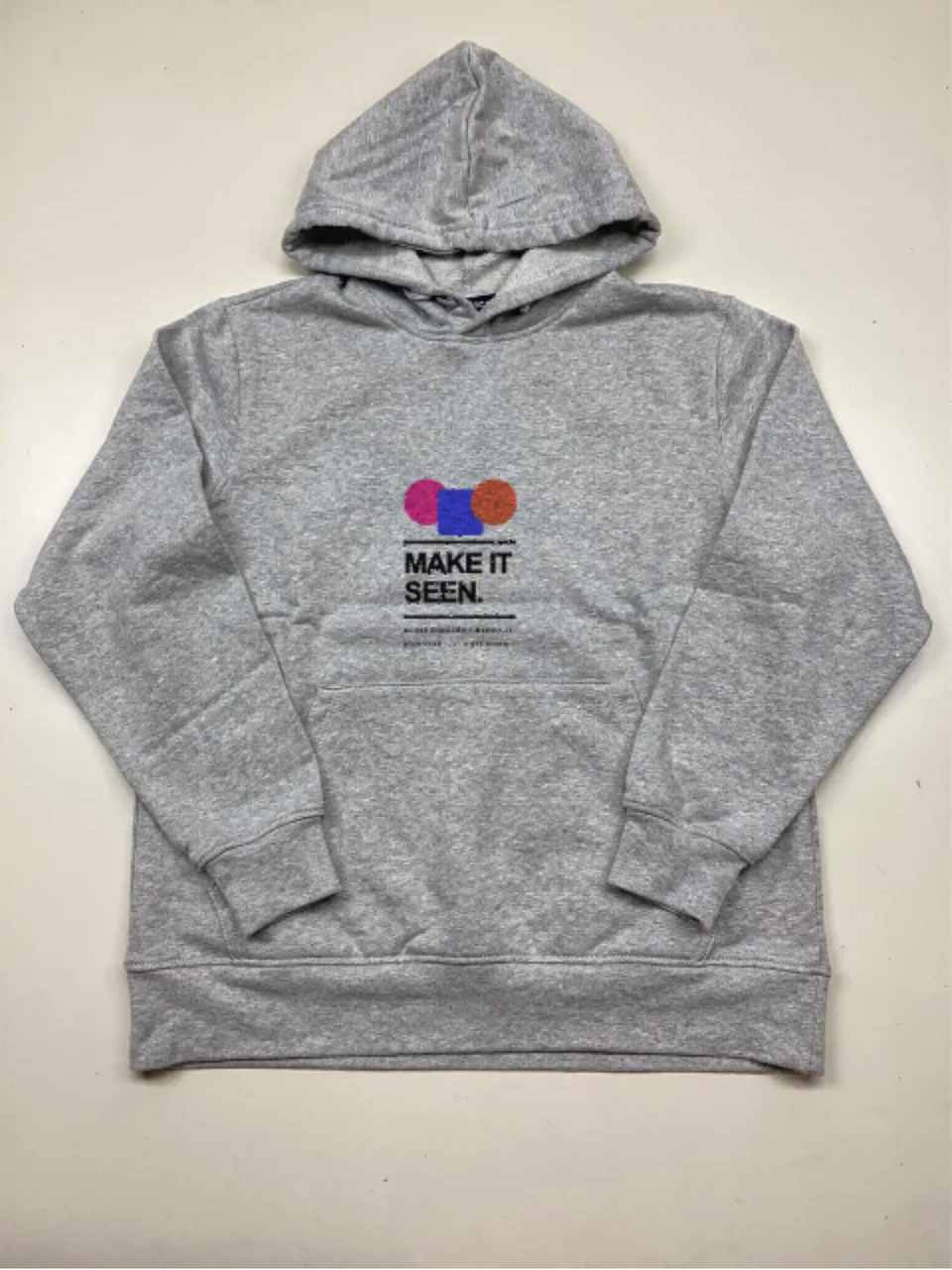
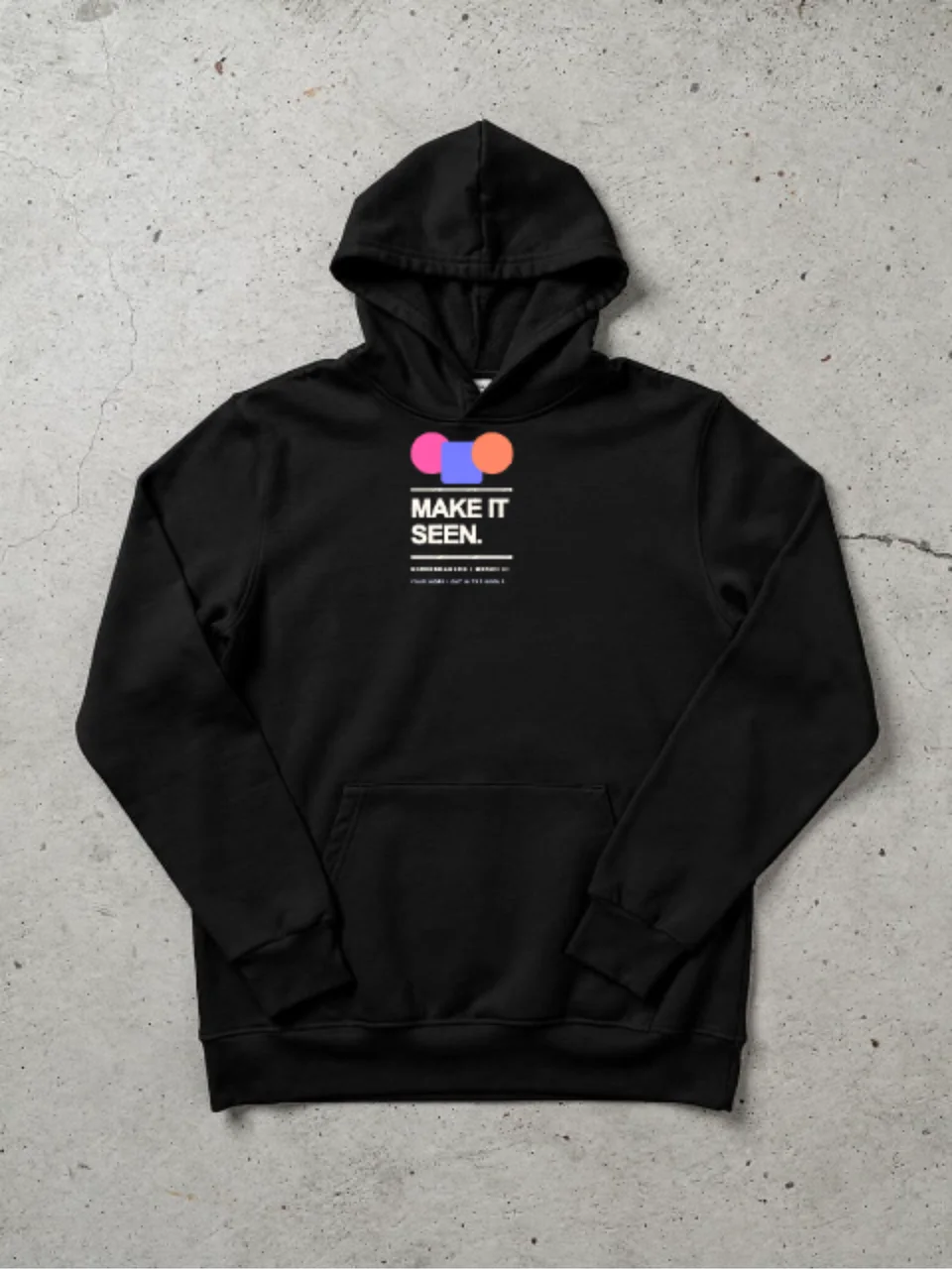
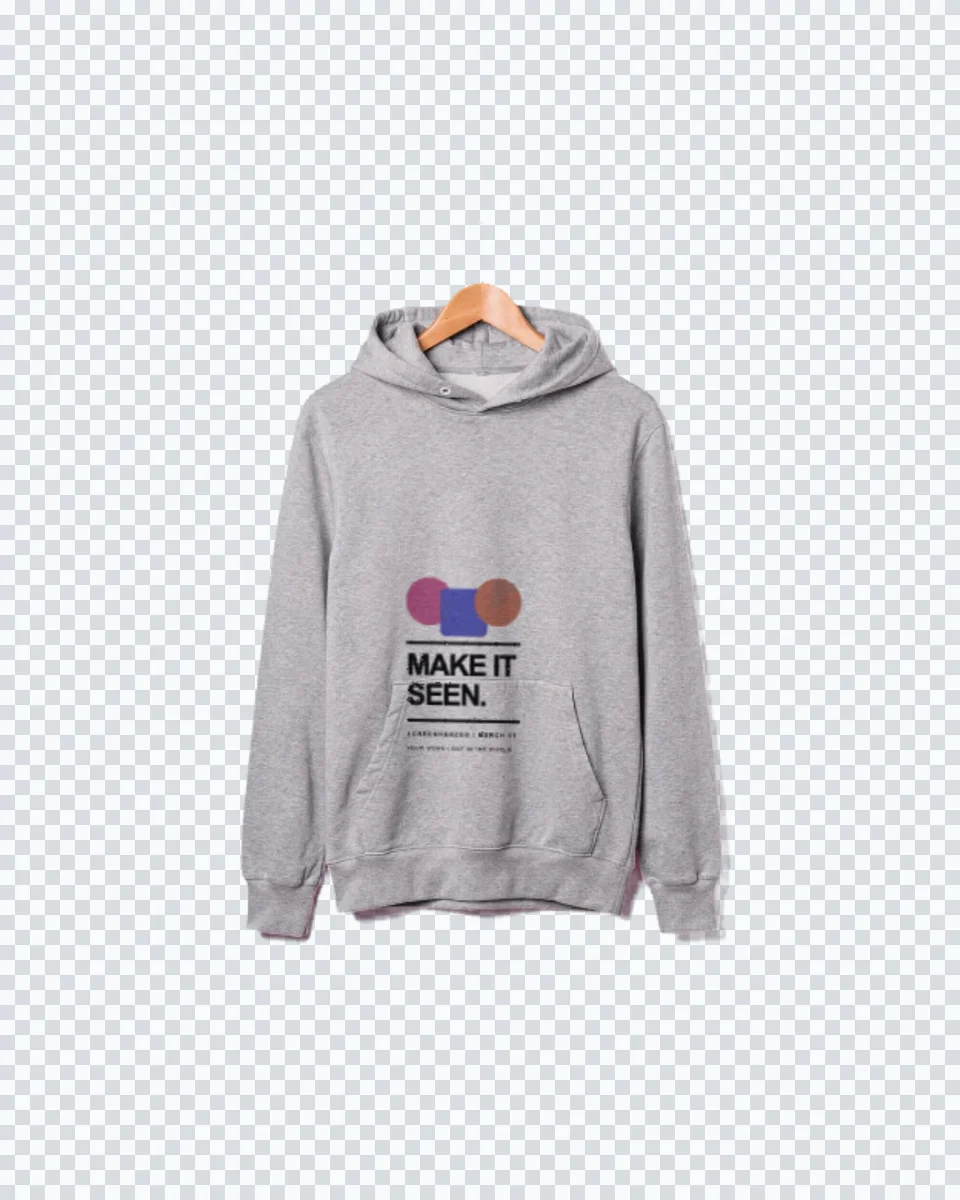
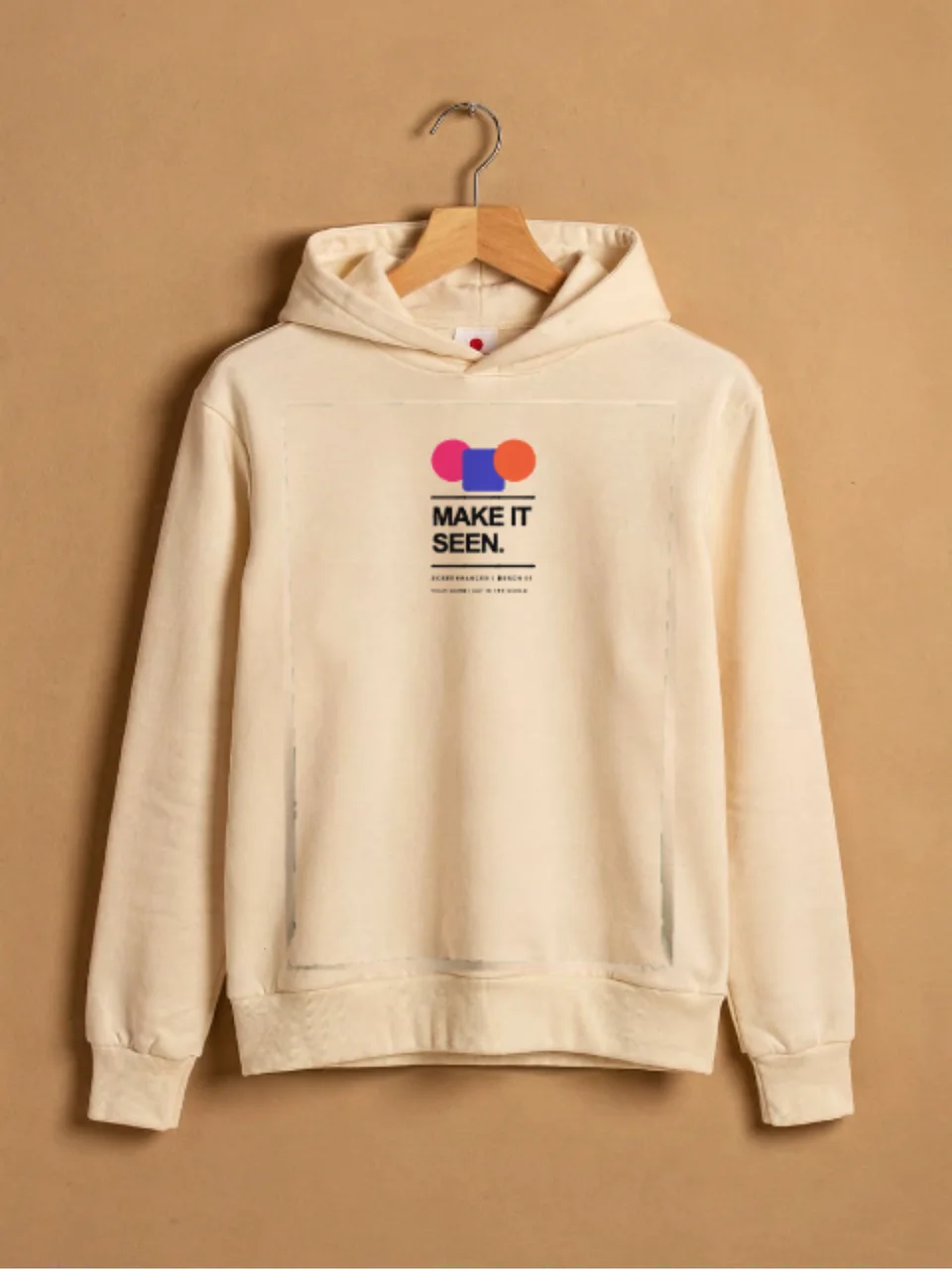
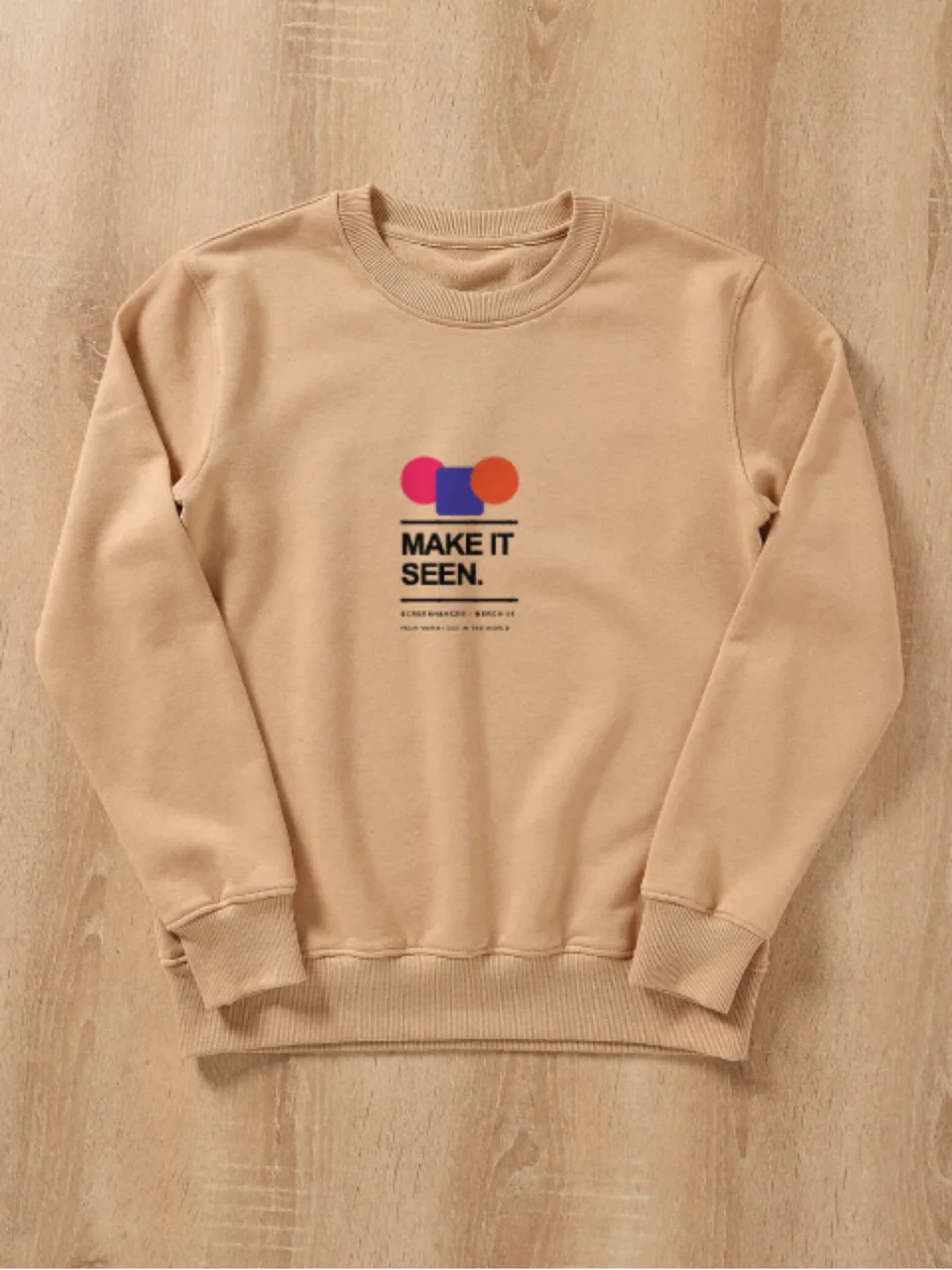
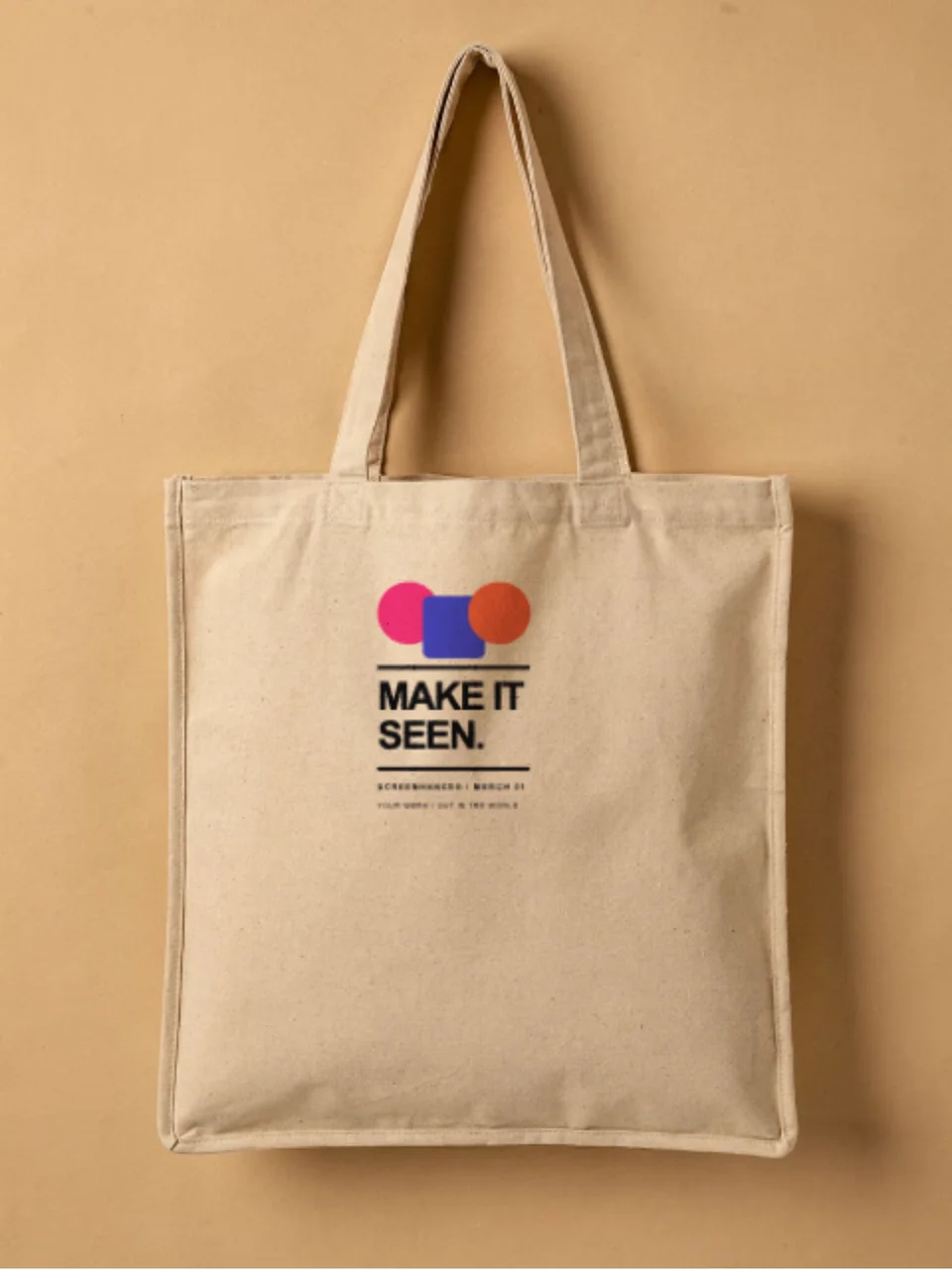
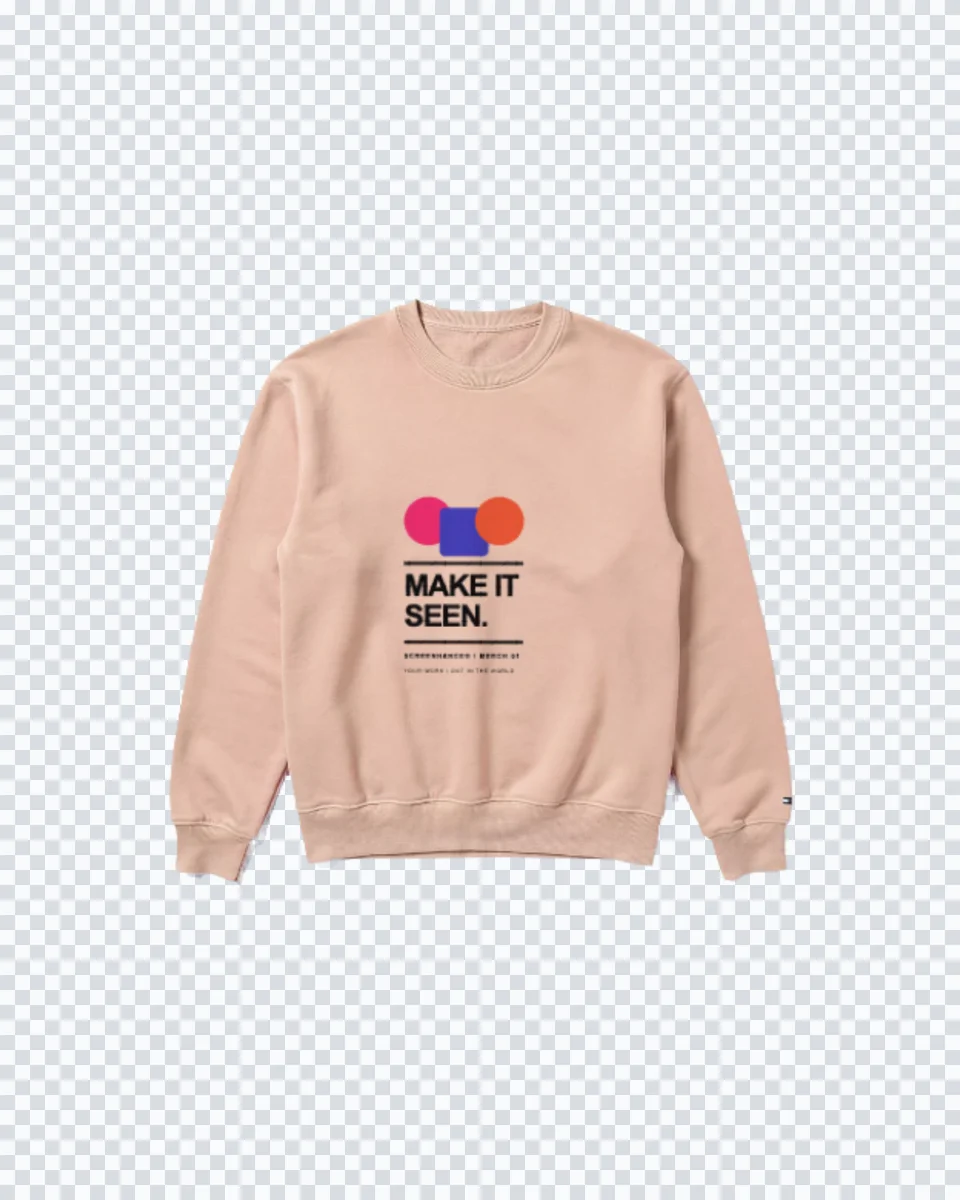
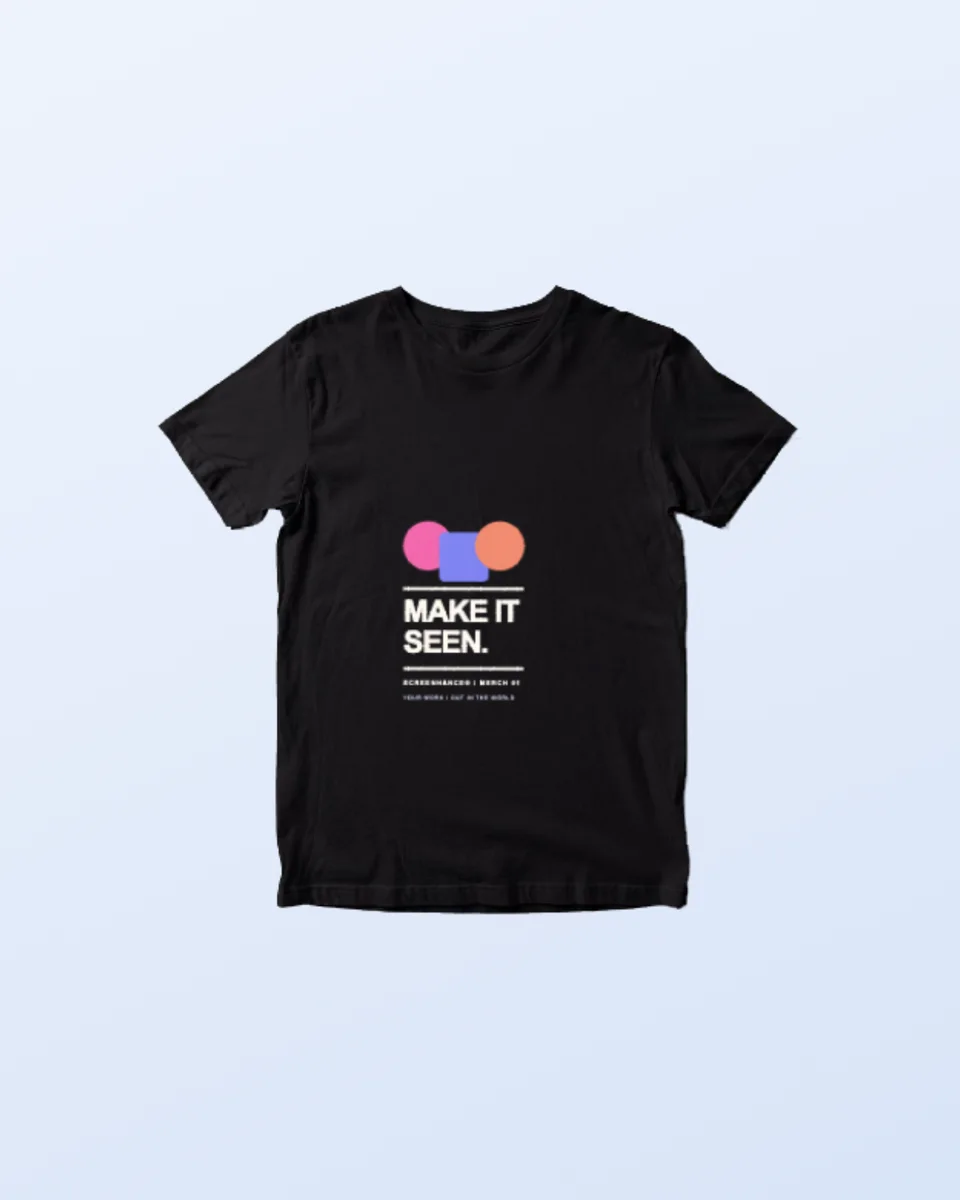
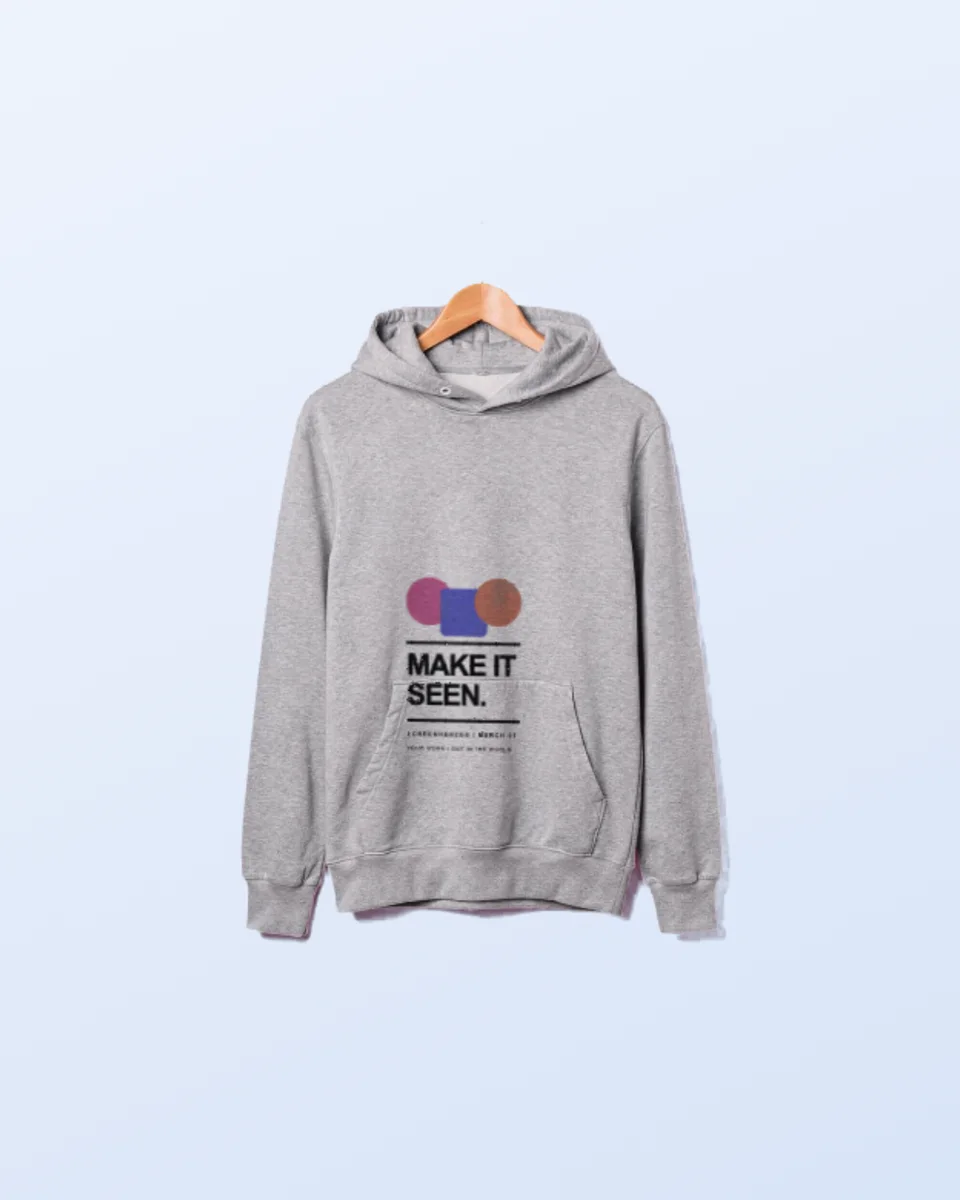
See a design on cotton before you print a single unit. Drop your artwork onto a black tee, a hoodie, a sweatshirt, a cap or a tote, all cut out on transparency so the whole range can sit on one background. Free, in the browser, no Photoshop and no PSD.
Loved by 3,000+ creators
Search by product, surface, or style. Open any result in the editor.
Merch is judged as a set. The tee, the hoodie and the cap are shot the same way and cut out the same way, so they line up on a single board without the mismatched shadows and colour casts you get from three different stock photos.
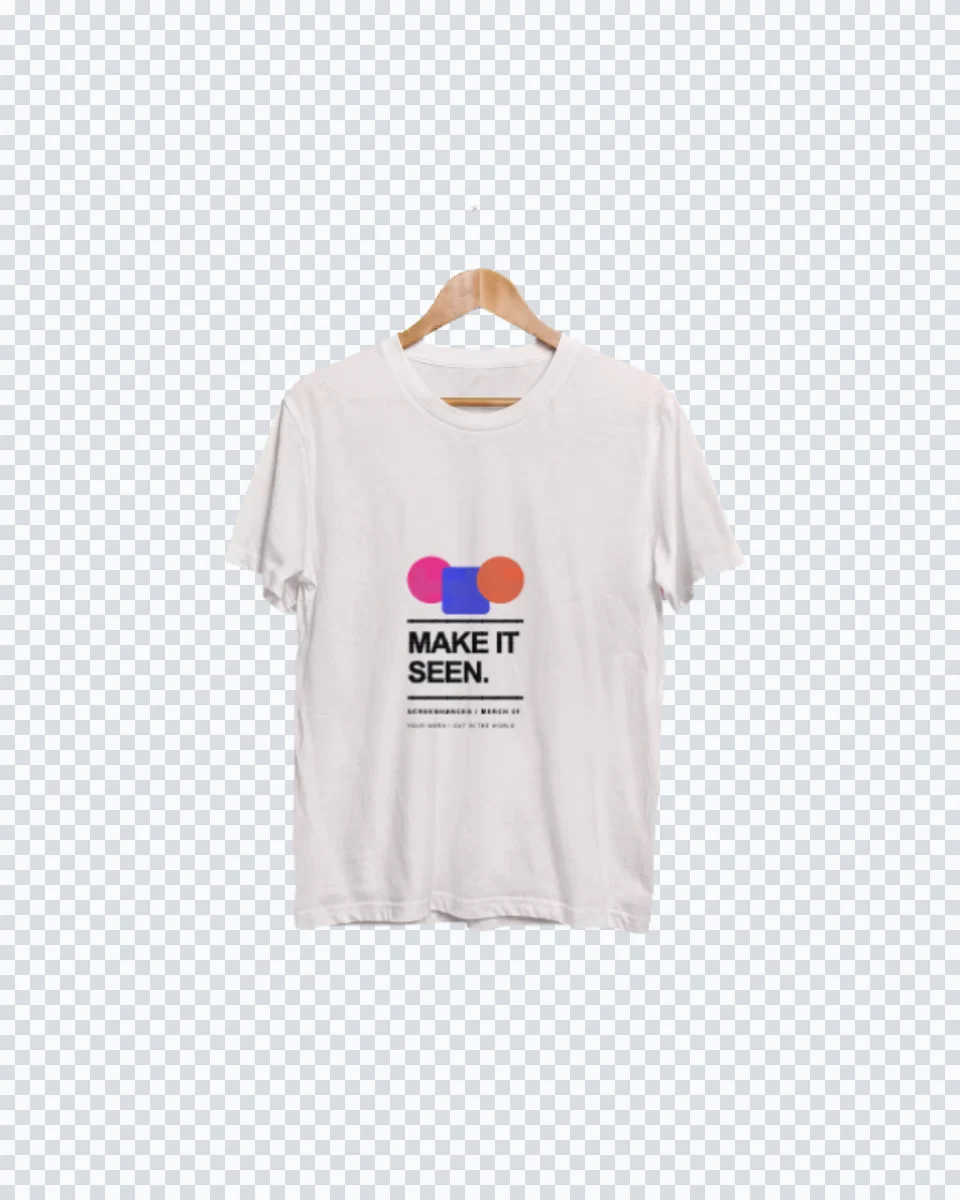
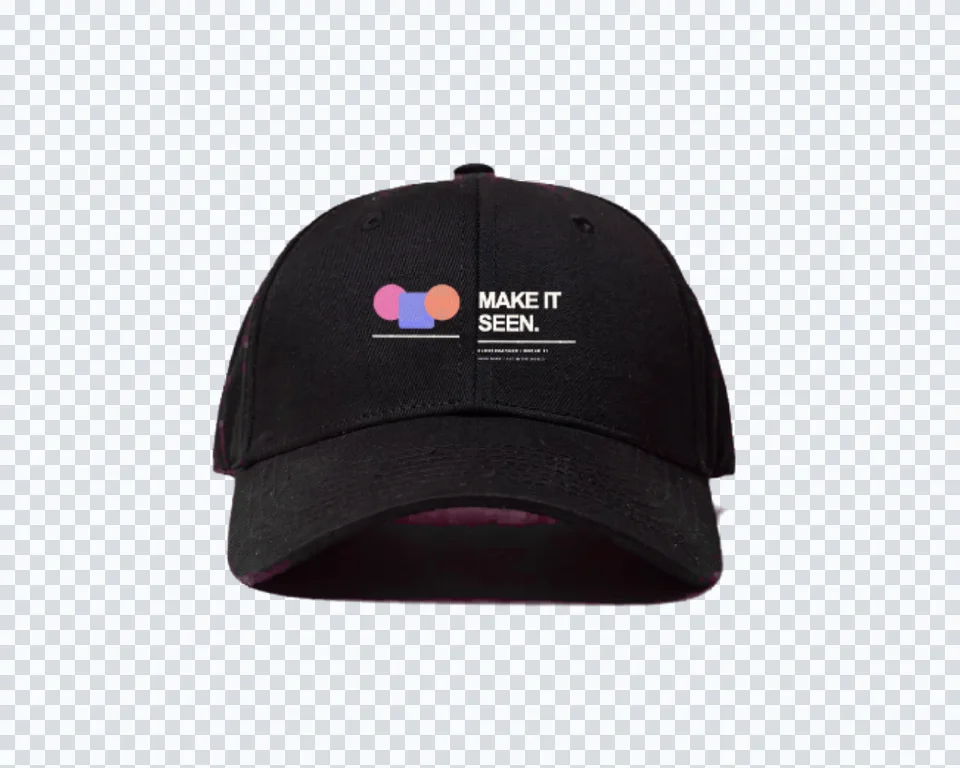
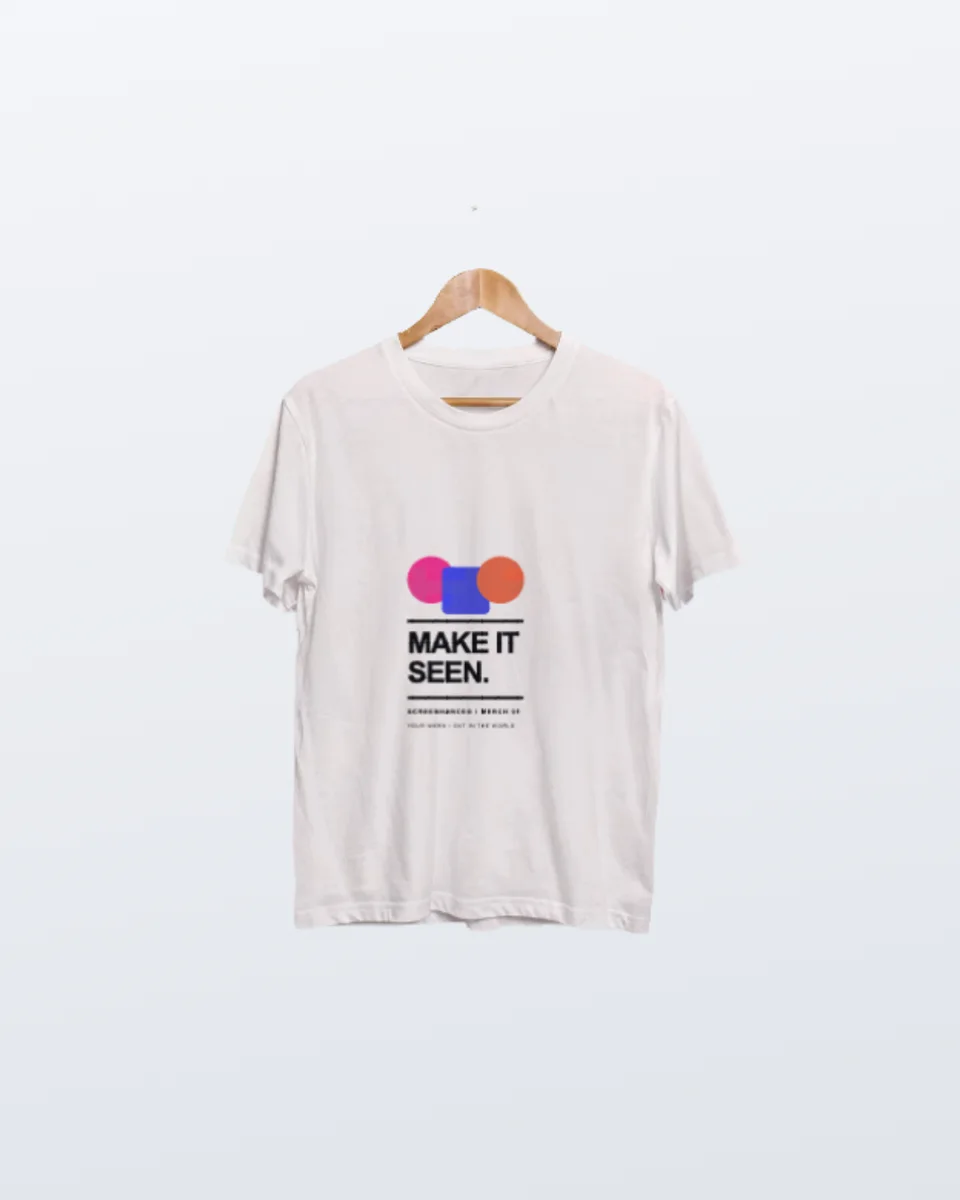
Solo T-shirt black, Solo Hoodie, Solo Sweatshirt and Solo Cap, each isolated and lit alike.
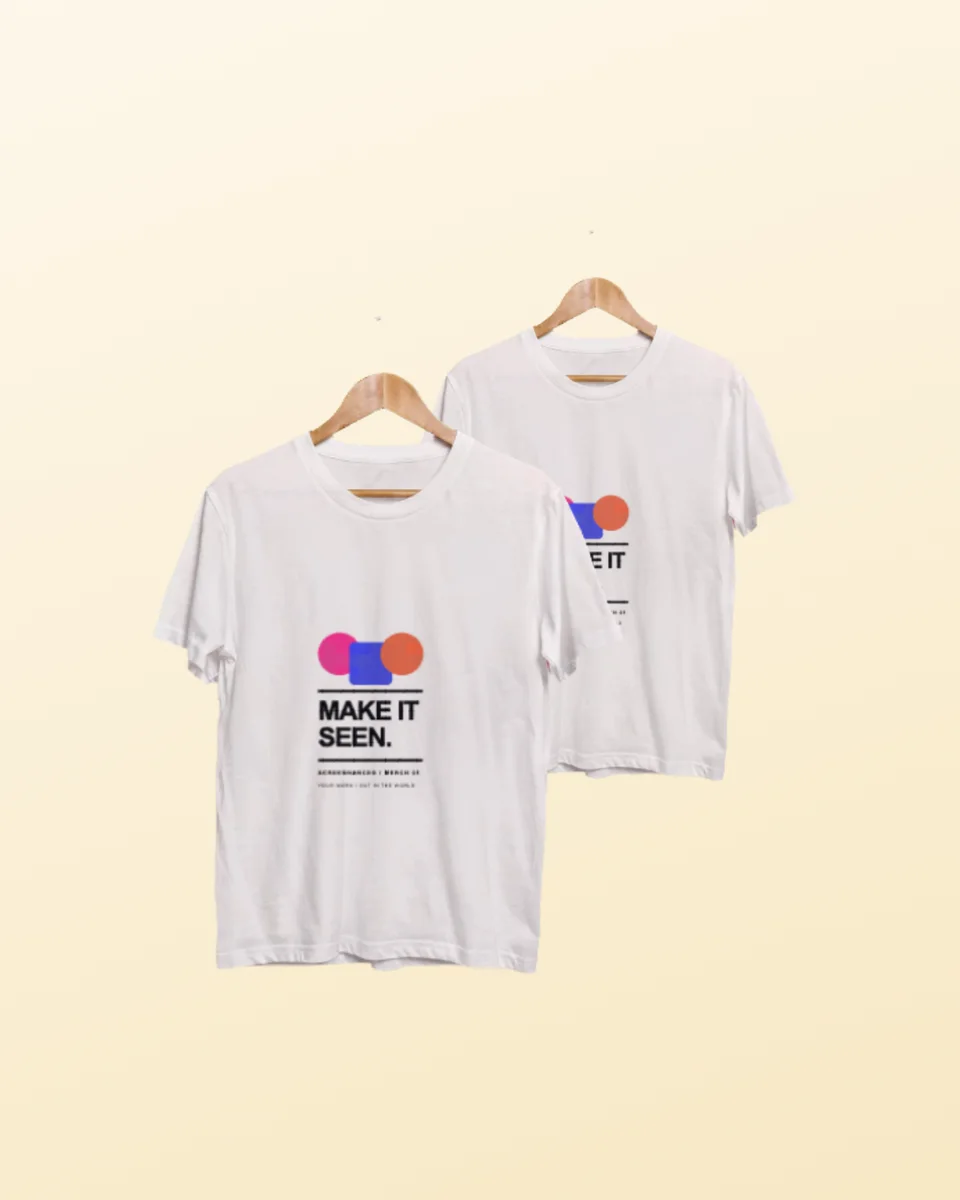
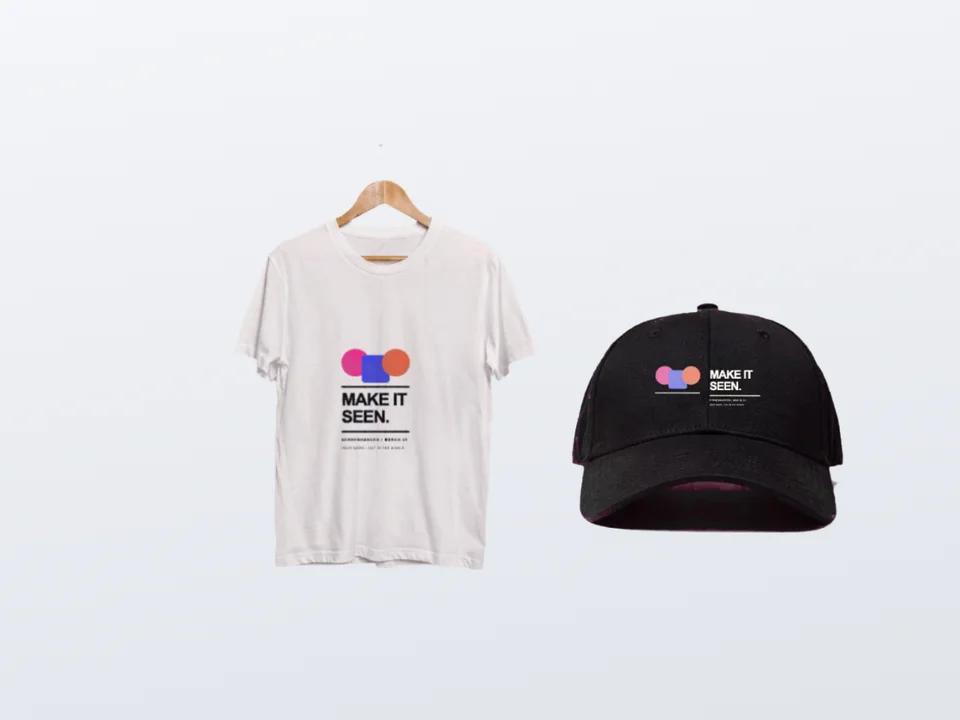
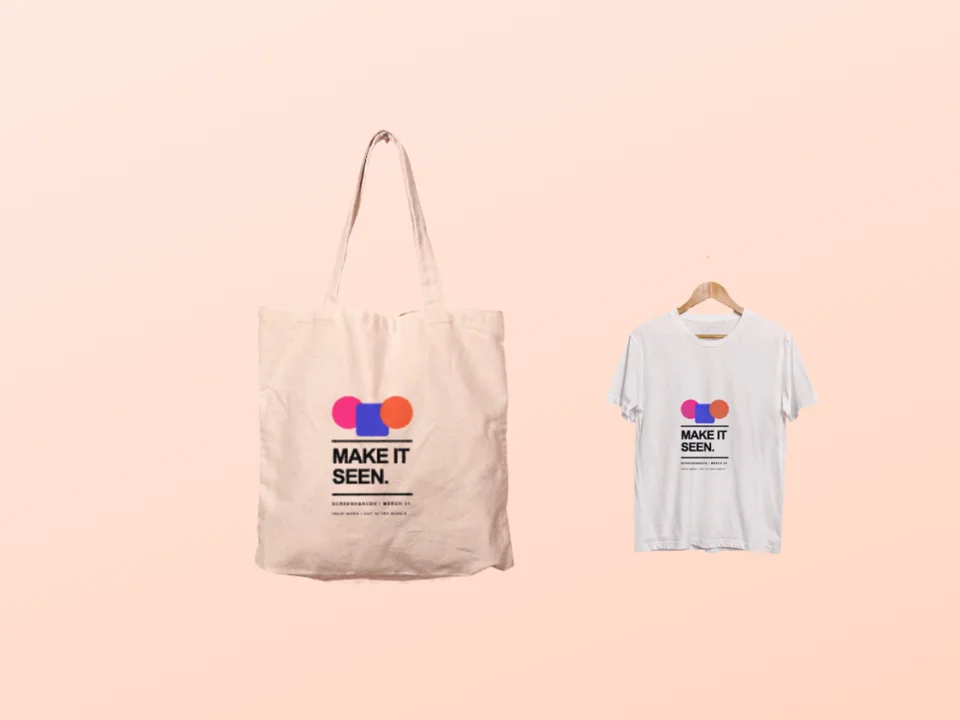
Tee and cap, and Tote and tee, hold two garments in one frame with a separate slot for each design.
Every scene here is a cutout, so the backdrop is your brand colour, your gradient, or your own photo.
Move from source material to a polished launch asset without rebuilding the design in another tool.
Choose a visual template, a store-listing set, a Launch Kit, or an empty canvas for full control.
Add screenshots, photo scenes, device frames, text, icons, annotations, backgrounds, layers, and motion in the browser editor.
Download PNG, WebP, JPEG, GIF, WebM, or MP4, or export organized iOS, Google Play, and Chrome screenshot ZIPs.
Screenhance covers the full path from a raw screenshot or screen recording to coordinated, editable launch assets.
Use current device frames, stylized treatments, or photorealistic placements across phones, tablets, laptops, watches, TVs, print, apparel, and outdoor media.
Start with a complete composition for mockups, Product Hunt, OG images, website heroes, Play feature graphics, or Chrome Web Store promo assets, then edit every layer.
Create coordinated iOS, Google Play, and Chrome Web Store screenshot sets, edit localized copy across supported languages, and export organized PNG ZIPs, including fastlane-ready iOS folders.
Animate layers with editable motion styles and export GIF or WebM, or record and polish a product demo in Studio with frames, cursor motion, captions, audio, and MP4/WebM export.
A drop is rarely one shirt. Show the tee, the hoodie and the cap together so the bundle price makes sense.
Get sign-off on a conference giveaway from people who need to see it, not read a spec sheet.
Build a lookbook page while the first run is still at the printer, and swap artwork as the line changes.
A logo on a garment is the slide that convinces a client the mark works away from a screen.
Jersey is a knit, not a woven sheet. It has a fine looped surface, it drapes rather than lies, and it soaks up light instead of reflecting it, which is why garments photograph matte with soft shadow rather than hard highlights. On a hoodie the hood throws a band of shade across the upper chest and the pouch seam breaks the print area. On a cap the front panel is a curved, structured face, so a logo bends with the crown. Any of those cues, missed, is what makes a pasted rectangle read as fake in half a second.
Screenhance composites underneath all of that. Your file is warped into the print area first, then the garment’s own luminance is multiplied back over it, so a fold darkens the ink that crosses it and the edge of the chest falls away exactly as the photograph does. The compositor also samples the fabric colour behind your design, which is why a transparent PNG lands with no visible box around it.
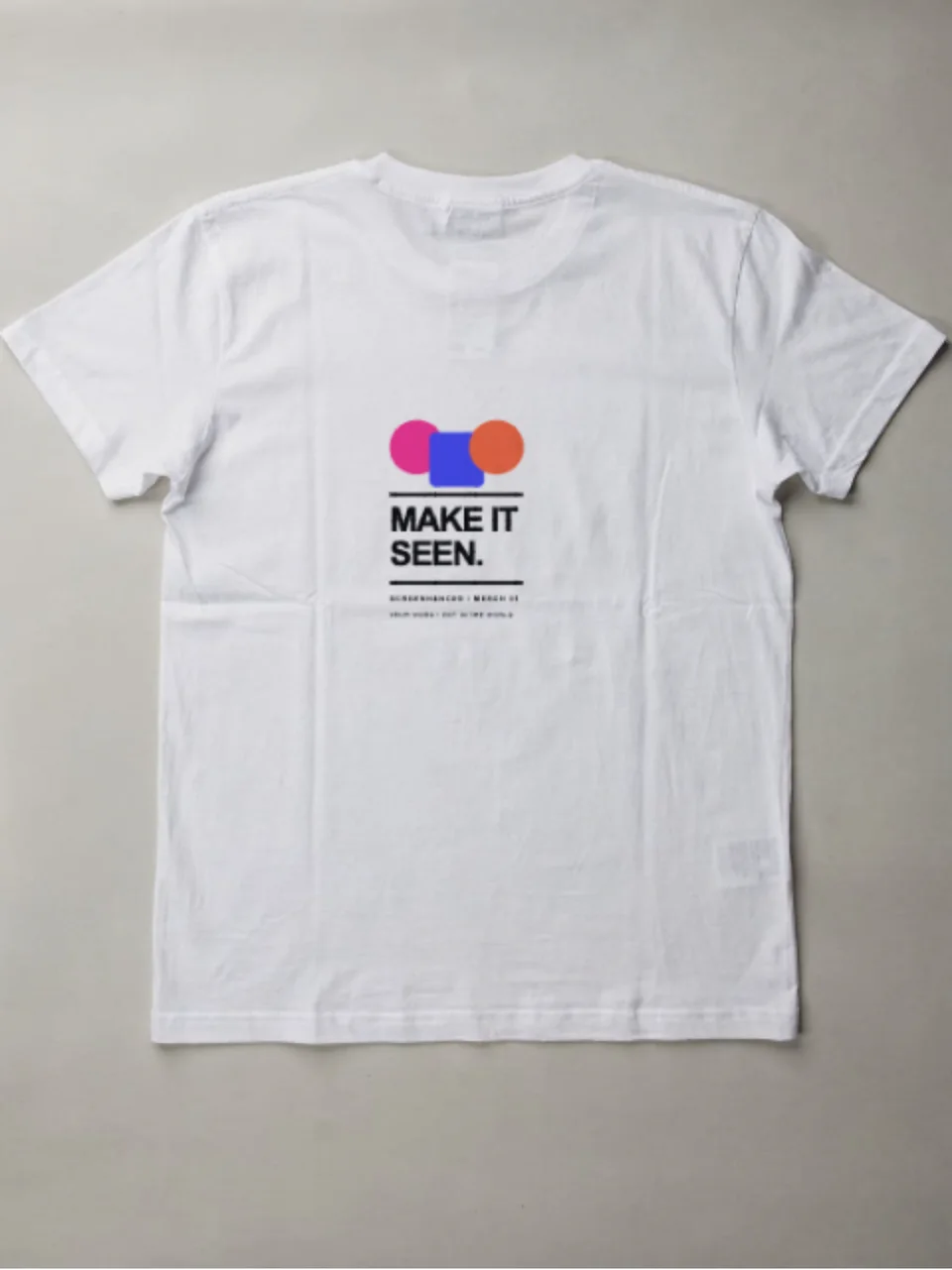
The cutout scenes on this page are the range view: no background, matched lighting, every piece placeable on the same colour. When you want the piece photographed in a room instead, each garment has its own page with studio scenes. Start with the t-shirt mockup generator for flat lays, hangers and a rail; the hoodie mockup generator for heavyweight fleece; or the cap mockup generator when the design is a small front-panel logo.
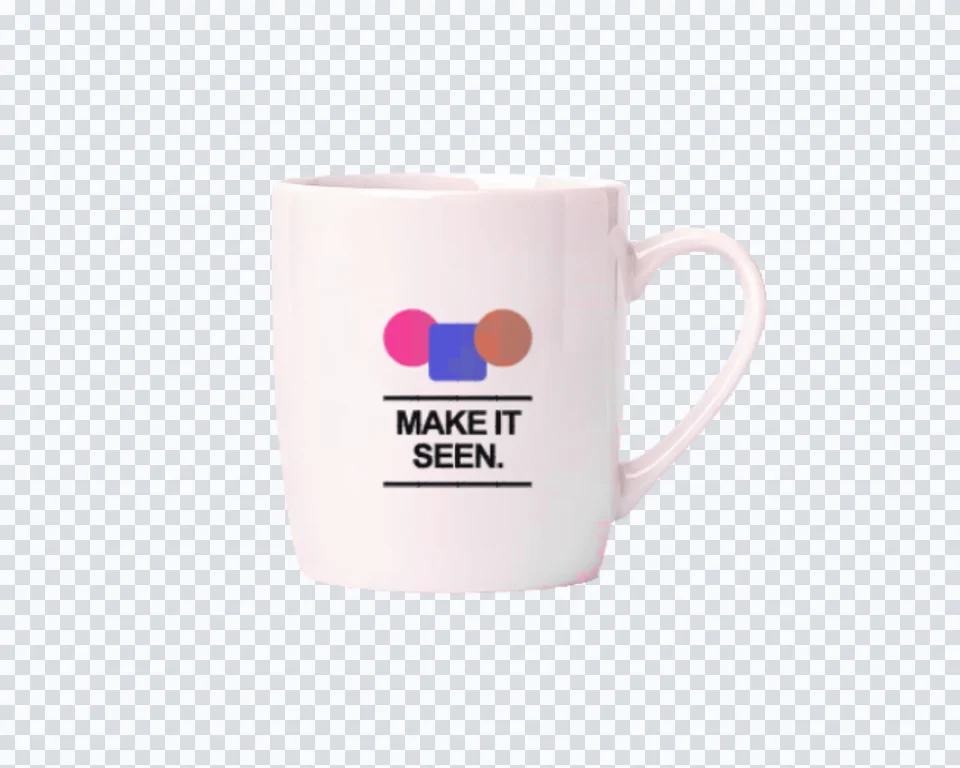
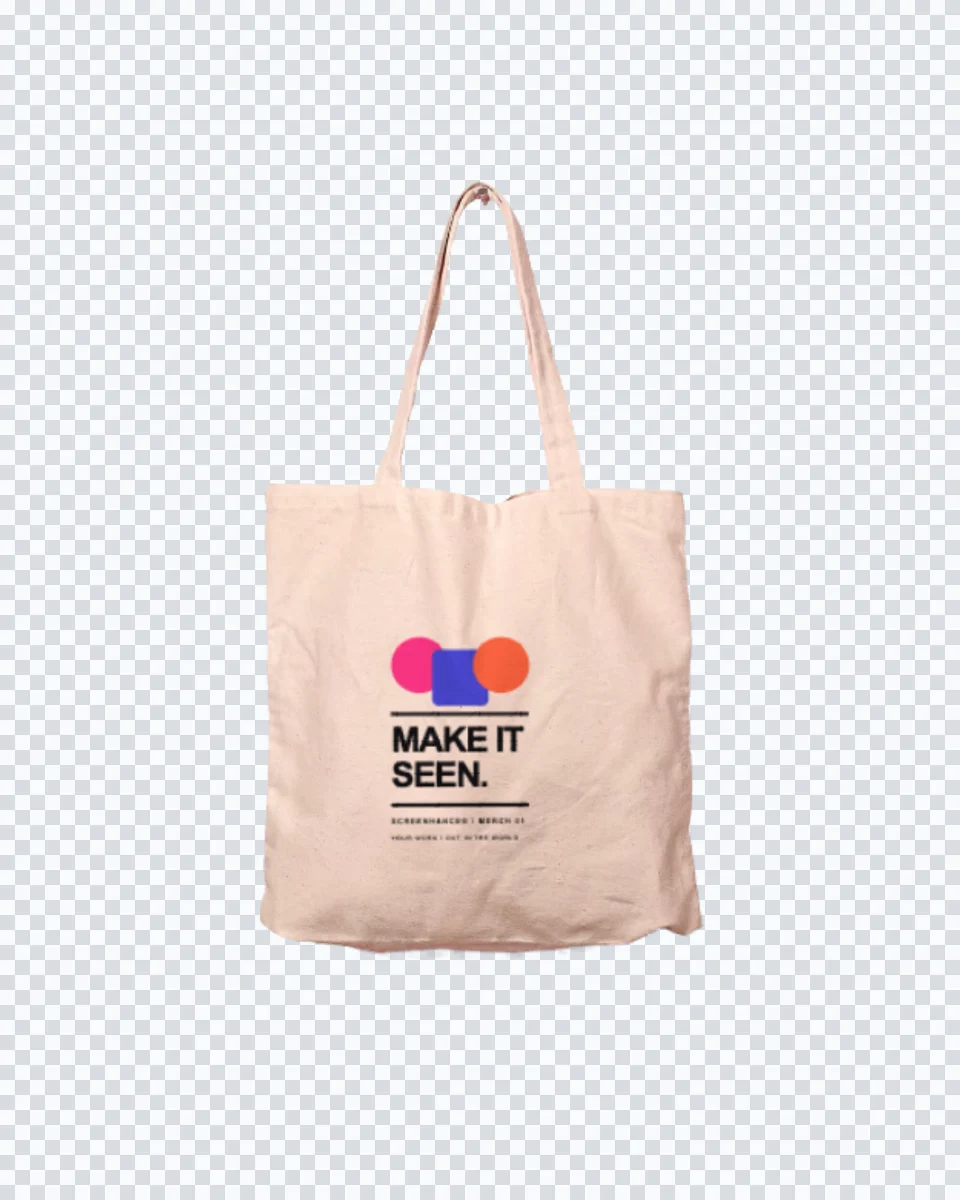
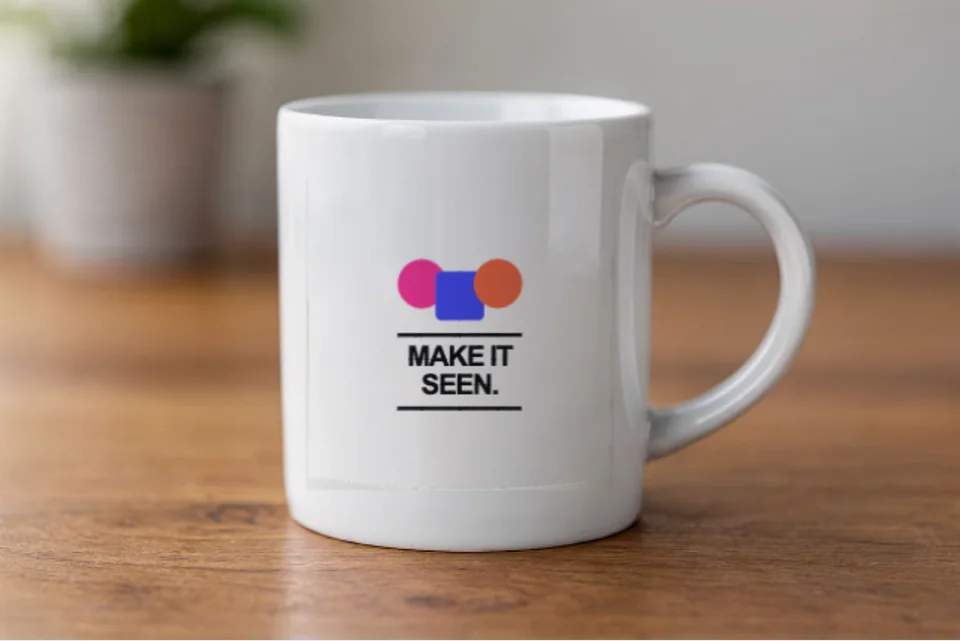
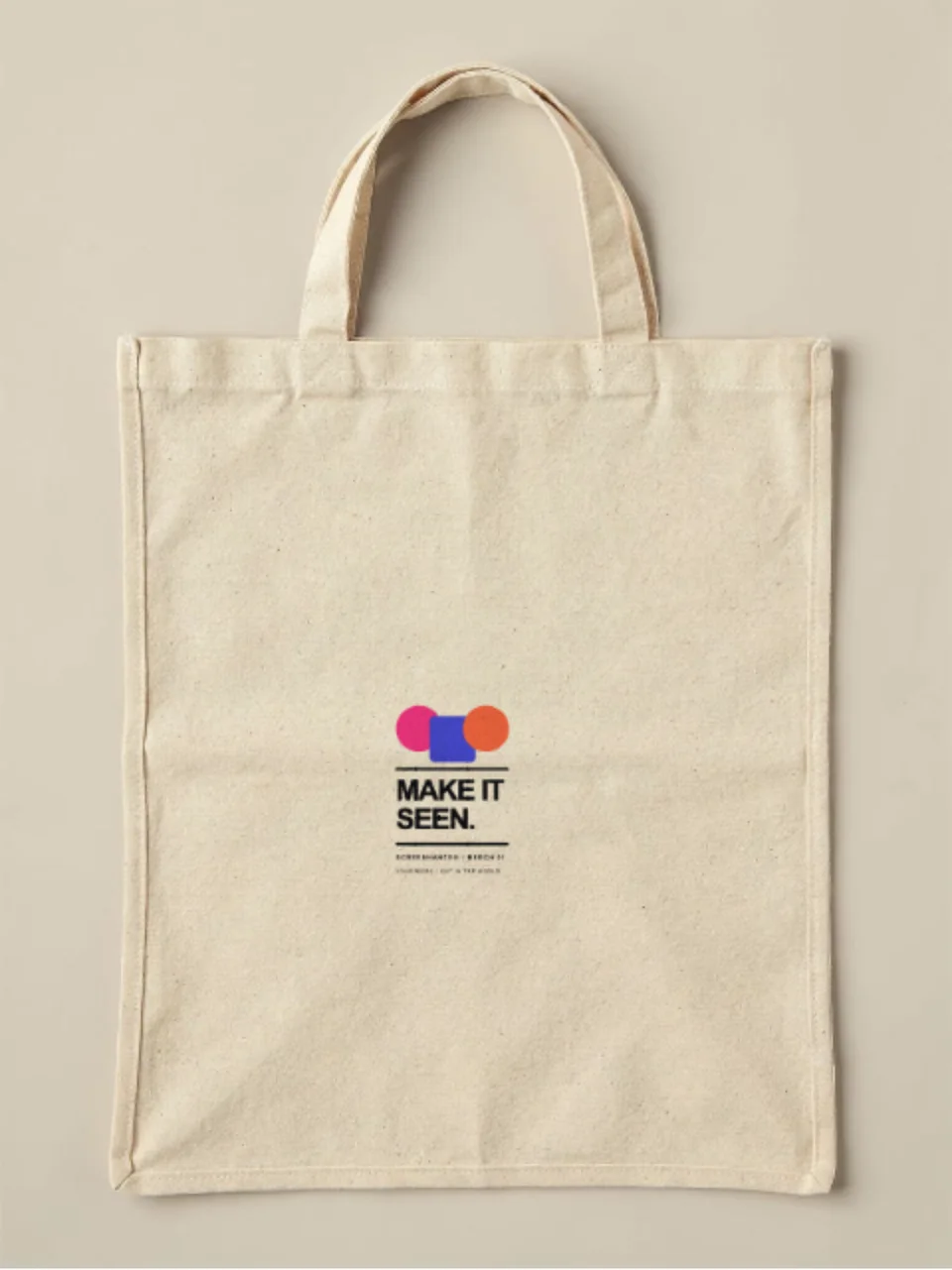
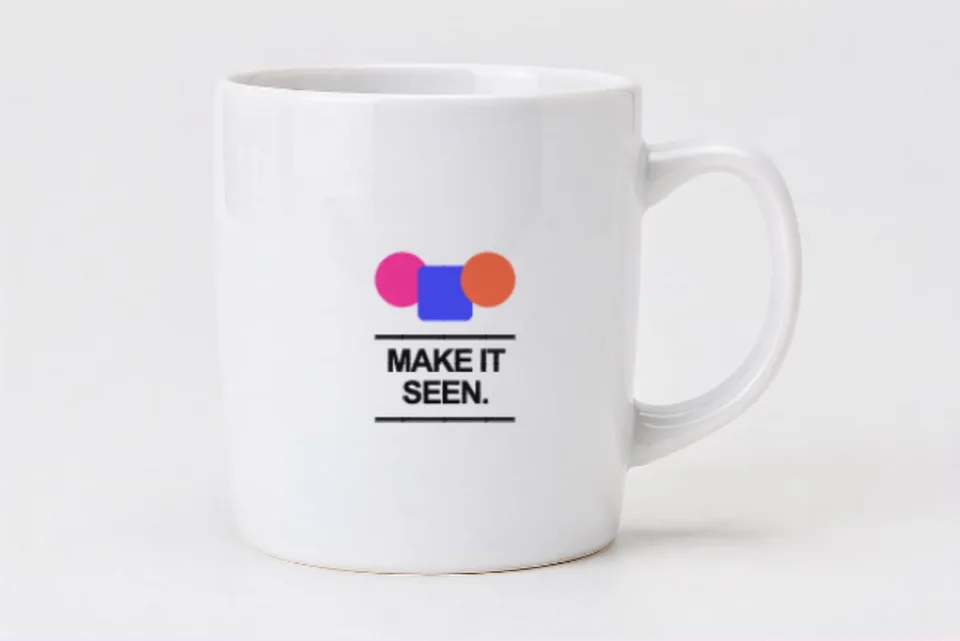
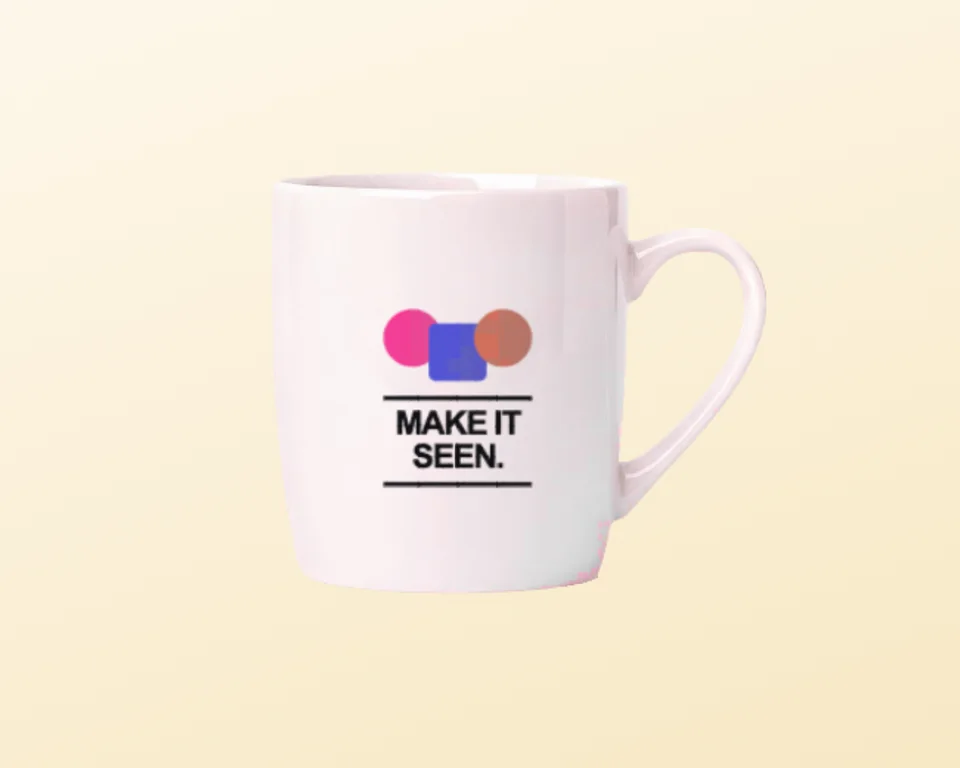
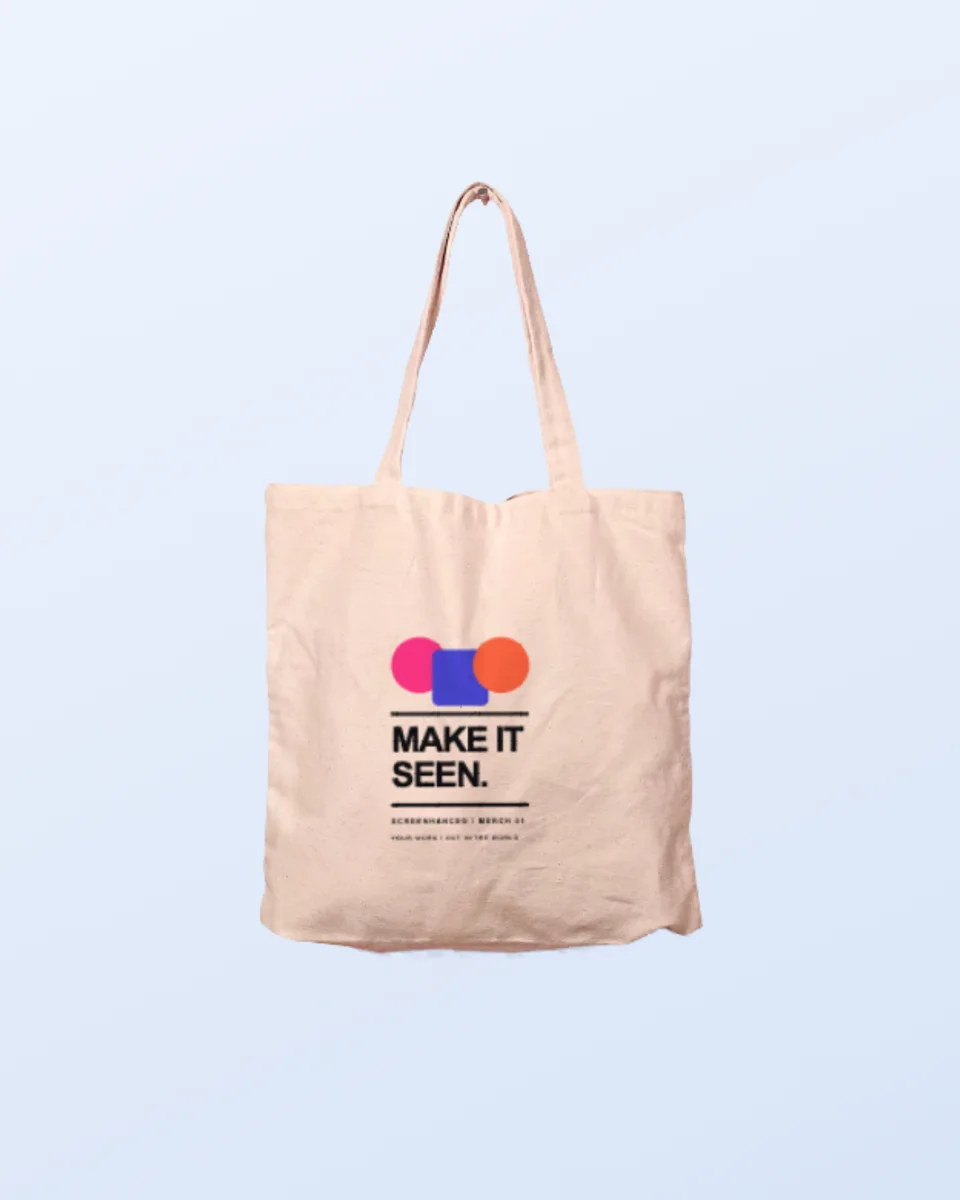
Merch usually spills past clothing, and the same compositing handles the rest of it: a canvas tote, a ceramic mug, or a die-cut sticker. If you want to browse everything at once, the mockup generator hub lists every scene by surface. Upload once, present the whole drop.

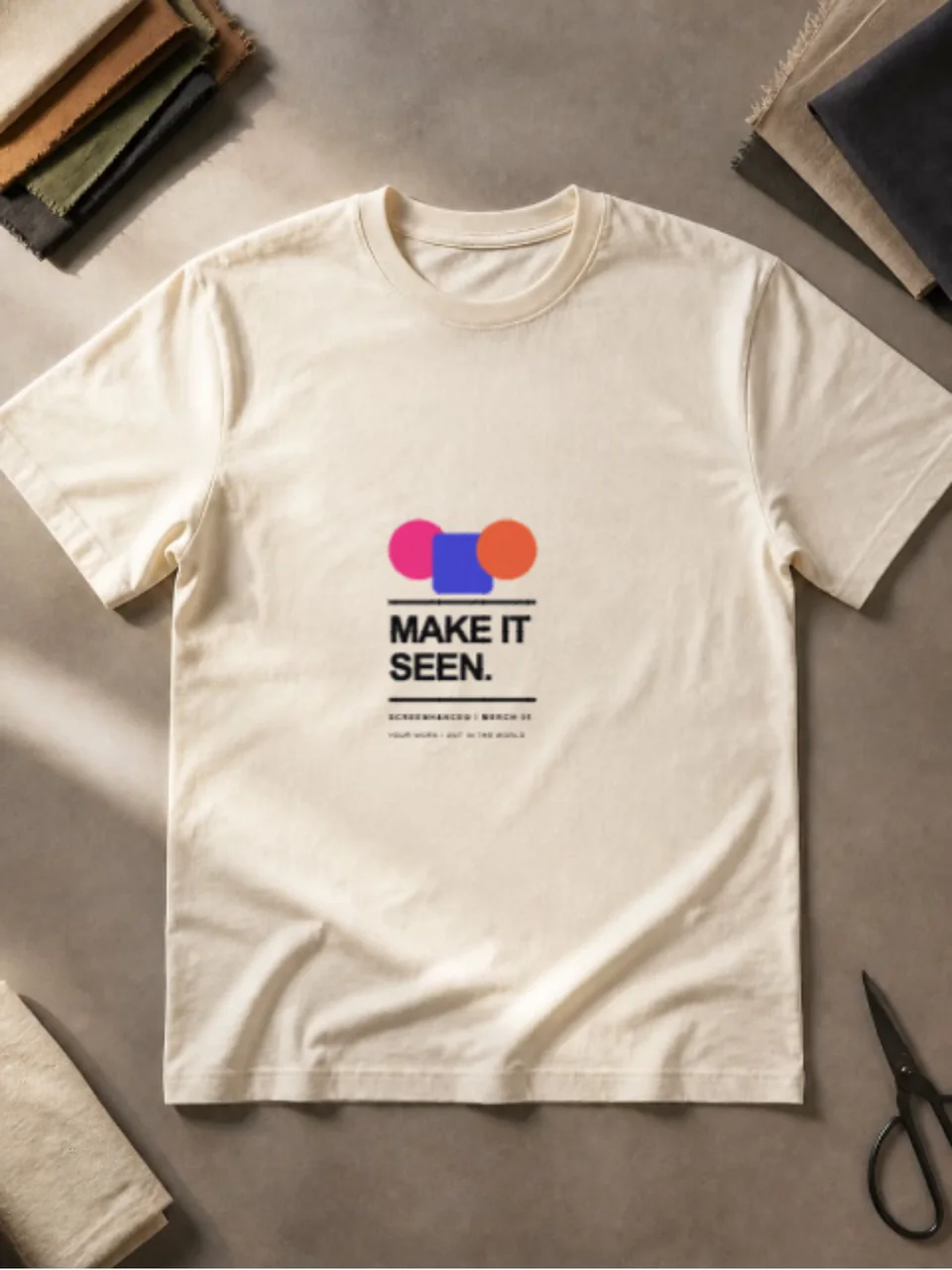
It is a photograph of a garment with your artwork composited into the print area, so you can see how a design reads on cotton before anything is printed. Screenhance warps your file onto the garment and multiplies the garment's own light and shadow back over it, which is what makes ink look absorbed into the fabric rather than laid on top of the picture.
The apparel scenes on this page cover a black t-shirt, a hoodie, a sweatshirt and a cap as single pieces, plus two-garment frames: Tee and cap, and Tote and tee. Each of those two-garment scenes has a separate upload slot per item, so the chest graphic and the cap logo can be different files.
A PNG with a transparent background gives the best result, because the garment colour shows through the gaps the way a real print does. A JPG works, but it carries its own rectangle. Aim for at least 2000 px on the long edge in sRGB. A standard adult chest print is about 30 cm wide, roughly a third of the shirt, so artwork that is square or a little taller than wide usually sits better than a wide banner.
They are cutouts. The garment is isolated on transparency, so the backdrop is whatever you put behind it: a brand colour, a gradient, a lookbook slide, or your own photograph. It also means a tee, a hoodie and a cap can share one background at one scale, which is impossible to fake across three separate stock photos.
Often not, and this is the useful part of seeing it early. The compositor samples the real garment colour under your design, so dark navy or charcoal linework simply disappears into a black shirt, exactly as it would on a real garment printed without a white underbase. Swap in a light version of the artwork and re-upload; the scene stays the same.
Yes. Every apparel scene is available while you edit on the free plan, and free image exports are 1× watermarked PNG files. The $6 Launch Pass includes 10 clean static image exports over 7 days; Pro includes unlimited clean exports and motion formats. Review any separate rights attached to the artwork, logo, or other source material you upload.
Place the same artwork on another physical product or real-world scene.
Your design on a real canvas tote
Start creatingFrame your artwork as a poster on a real wall
Start creatingPut your card design on real card stock
Start creatingTurn a book cover into a photorealistic 3D mockup
Start creatingYour design on a real product box
Start creatingPut your design or app on a photorealistic billboard
Start creatingPick a garment, drop in your artwork, and export a photorealistic apparel mockup in under a minute.